
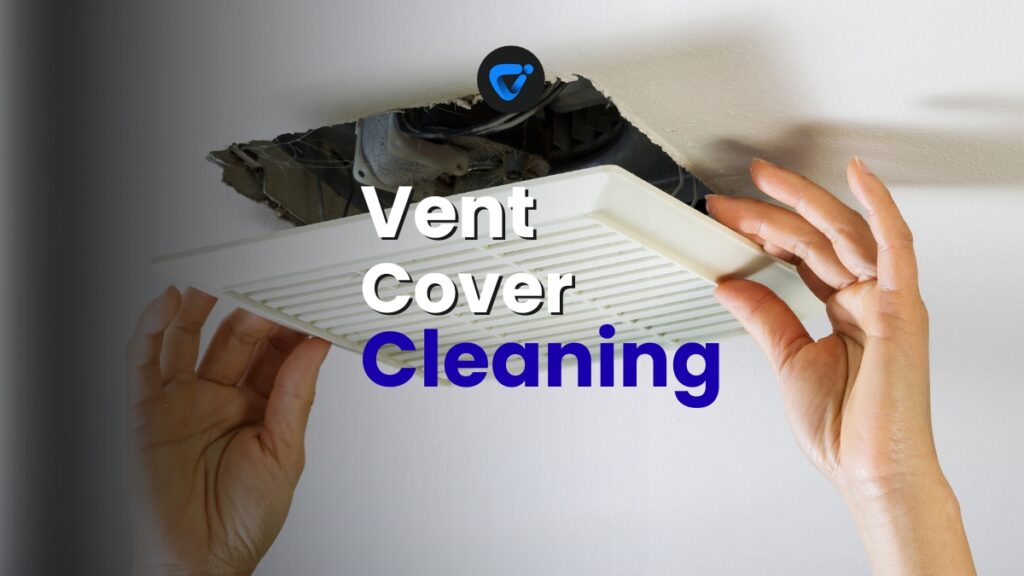

If you’ve ever looked at a dusty vent and thought, “That’s building up fast,” you’re not alone. Hidden dust impacts air quality more than most realize, so vent cover cleaning deserves real attention.
Clean vents keep your home’s airflow efficient, reduce allergens, and help HVAC systems do their job smoothly. Neglect leads to faster dust return and higher energy bills. Deep cleaning makes a measurable difference.
This guide breaks down vent cover cleaning and air intake deep cleaning with actionable steps, must-know tips, and real-world examples. Explore and try these techniques to breathe easier indoors.
Pinpoint the Right Time for Vent Cover Cleaning
Taking action on vent cover cleaning begins with timing. Regular schedules and visual checks help homeowners determine when dust buildup warrants a deep clean.
Light dust on vent covers signals it’s time to start, but gray patches or airflow changes mean immediate cleaning is urgent. Use these visual cues for consistent upkeep.
Reading Signs of Necessary Cleaning
People notice vents look dull or blow less air. “My allergies kick in quicker when I walk past the hallway,” is a phrase many say before realizing vent cover cleaning is overdue.
Check for visible dust lines or clinging pet hair. Run a finger along grills; if there’s a visible streak, add vent cover cleaning to today’s to-do list without delay.
Bending to check air intake vents, you might spot large dust clusters or feel warmth from disrupted flow. Acting now keeps the problem from escalating.
Scheduling Consistent Cleaning
Monthly checks build a habit and minimize buildup. Set a recurring calendar reminder, tagging “vent cover cleaning” alongside monthly chores like replacing filters.
During seasonal changes, add vent cover cleaning once per quarter. Mark vents, returns, and intakes on your schedule—matching this routine with HVAC maintenance saves time and energy.
Finishing up, log each cleaning with date and condition in a spreadsheet. When vents appear cleaner at checkups, you’ll see direct progress from this habit.
| Area Checked | Next Action | Visual Cue | Takeaway |
|---|---|---|---|
| Hallway ceiling vent | Dust & wash | Noticeable dust streaks | Schedule vent cover cleaning soon |
| Bedroom intake vent | Wipe, check airflow | Restricted draft | Improve air intake immediately |
| Kitchen supply grill | Remove and soak | Sticky residue | Deep clean required |
| Bathroom exhaust fan cover | Vacuum then wash | Lint and hair buildup | Add to monthly vent cover cleaning |
| Basement return air | Brush and wipe | Cobwebs, heavy dust | Prioritize for health and efficiency |
Gather the Right Supplies for Deep, Effective Results
Having the right tools speeds up vent cover cleaning and ensures debris is removed. Stash these items in a labeled bin marked “vent cover cleaning” for simplicity.
Essential supplies include a vacuum with brush attachment, microfiber cloth, bucket, non-abrasive soap, screwdriver, and optional compressed air. These cover most residential vent cleaning tasks.
Top Tools for Spotless Covers
The vacuum with brush loosens dust without scattering particles back into the room, giving vents an instant refresh before washing or removing.
Microfiber cloths trap particulate matter instead of just shifting it around. Use one cloth per vent to avoid cross-contamination and increase cleaning efficiency.
- Unclip or unscrew vent covers gently: Avoid stripping screws or bending fins, so each cover fits flush again after vent cover cleaning finishes.
- Vacuum deep into crevices: Captures hidden dust clumps; hold the attachment firmly against grills to boost suction and ensure a thorough result.
- Soak removable covers in warm, soapy water: Softens greasy dust so it wipes clean without scrubbing, especially vital in kitchens or bathrooms.
- Wipe with a fresh microfiber cloth: Prevents streaks or lint left behind; a final wipe brings a satisfying, polished finish after each vent cover cleaning session.
- Dry covers completely before reinstalling: Ensures no trapped moisture causes rust or attracts more dust, which keeps vents looking clean longer.
Having every item ready means you’re not running back and forth or pausing midway through vent cover cleaning. Advance preparation makes deep cleaning seamless.
Specialty Gear for Unique Situations
For allergy-prone families, add a mask and HEPA filter bag to minimize reactions during vent cover cleaning. Safety goggles prevent debris from irritating eyes.
Thin paintbrushes reach inside tight grill edges or intricate HVAC vent patterns, removing stubborn material standard vacuums might miss during a vent cover cleaning session.
- Apply compressed air for hard-to-reach spots: Blasts out dust in corners but only use it in well-ventilated rooms to avoid internal dust clouds.
- Opt for a flexible crevice tool: This slips into long or oddly shaped vents, helping with vent cover cleaning of deeper channels where allergens gather unnoticed.
- Use non-ammonia soap on painted covers: Prevents peeling or fading, ensuring the vent remains as good as it looks after fresh vent cover cleaning work.
- Store a labeled toolkit: Separating vent cover cleaning gear prevents using harsh chemicals from other house tasks, reducing wear on ventilation hardware.
- Invest in a vent brush set: Choose one with varying bristle lengths. It simplifies vent cover cleaning on both intake and return vents of different sizes.
Special gear helps avoid time-consuming errors by targeting unusual buildup directly. If you finish faster and with less mess, you’re on the right track.
Step-by-Step Approach Keeps Vent Cover Cleaning Efficient
Organizing work flow is critical for deep cleaning without wasted effort. Start with a clear sequence and each round of vent cover cleaning takes less time.
By sticking to a set order, dust doesn’t circulate to freshly cleaned areas—saving repeat work and maximizing indoor air quality improvements with each session.
Preparation and Safety First
Switch off HVAC systems before any vent cover cleaning. This keeps dust from being inhaled or blown around, and lets you work safely on grills and returns.
Laying an old towel below each vent cover protects easily scratched floors. Wear gloves, especially when working overhead or with cleaning chemicals.
Gather your cleaning kit and move any furniture that blocks vents. Visibility matters. A nearby step stool adds safety for ceiling or high wall vents.
Disassembly, Washing, and Reassembly
Loosen screws gently with the correct screwdriver. Place hardware in a small tray or cup to avoid lost parts during vent cover cleaning.
Wash covers in the sink with soapy water, using brushes for corners and dense slats. Rinse completely, then dry using a lint-free towel before reattaching.
Reinstall vent covers by lining up holes accurately, securing each screw without over-tightening, so airflow resumes and the cover sits perfectly flush.
Clean Air Starts with Consistent Vent Cover Cleaning Habits
Guided by accurate schedules, careful supply choices, and smart processes, vent cover cleaning quickly upgrades your home’s air quality and daily comfort.
Each session extends HVAC system life, lowers energy costs, and keeps dust at bay. Regular vent cover cleaning works best when it becomes a routine, not a chore.
Test a new cleaning habit this week—pick a vent, inspect, clean, and feel the clear air difference. Small steps lead to a healthier, fresher space for everyone.

Closet Declutter Plan
Transform your closet fast! Follow our declutter plan to turn chaos into a clean, stylish capsule wardrobe.