
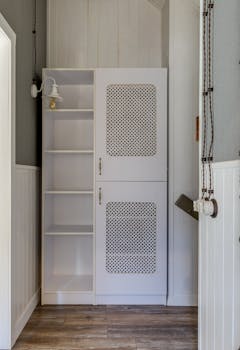

Cleaning out a dumpy storage room feels daunting, so plenty of folks put it off. But when utility closet cleaning finally happens, every shelf and bin makes more sense.
Spaces for extra stuff get cluttered fast because they hold what doesn’t fit elsewhere. Tackling these rooms keeps supplies organized, extends their lifespan, and puts safety first.
Whether you’ve ignored your utility closet for months or want better long-term habits, this article reveals practical tips and straightforward steps for transforming even the messiest storage areas.
Identify Problem Zones Before Any Utility Closet Cleaning Begins
Walk your storage room once without moving items. Spot piles, leaks, or dusty corners—these tell you exactly what needs the most attention during utility closet cleaning.
Write down issues as you notice them: blocked outlets, leaning brooms, or chemical containers stacked too high. Addressing these danger spots streamlines safe and effective cleaning.
Start With a Quick Visual Sweep, Not Big Moves
Enter the utility closet and slowly scan each shelf. Notice spider webs, unlabelled cleaners, or bags on the floor. Resist the urge to shuffle items just yet.
Jot a note for any odd smell—sometimes leaks or spills hide behind boxes. If you see moisture or damage, plan to address them in your next passes.
This approach keeps you from spreading dust or making new hazards. A short, careful sweep saves headaches later during detailed utility closet cleaning.
Address Potential Safety Hazards Immediately
Watch for fraying power cords, chemical splatter, and rusty metal. Place damaged items outside the room before cleaning proceeds—safety comes before neatness.
If you find expired cleaning fluids or cans with dented sides, move them into a box for hazardous waste disposal. Never combine unknown liquids or scents.
Once immediate hazards leave the closet, you’ll be able to focus on truly thorough cleaning and smarter product storage.
| Hazard Type | How to Spot | Action Required | Takeaway |
|---|---|---|---|
| Frayed Cord | Wire color showing, twists or cracks visible | Remove from room, mark for replacement | Never use in current state; replace soon |
| Dented Spray Can | Bulges, soft sides, hissing or chemical odor | Move to hazardous waste bin outside | Don’t try to use up or depressurize further |
| Mold Growth | Black or green fuzzy patches on wall/floor | Ventilate, wear mask, scrub with diluted bleach | Address moisture source to prevent recurrence |
| Broken Glass | Loose shards on shelves or floor | Sweep with dustpan, use gloves, seal in trash | Check for unseen fragments, even in far corners |
| Overloaded Shelf | Sloping, bowing, audible creaks when shifting | Remove heavy items, redistribute weight wisely | Heaviest bins always at lowest accessible level |
Create Clear Piles to Cut Cleaning Time in Half
Efficient utility closet cleaning becomes possible when you sort everything into keep, toss, or relocate piles. Steady sorting prevents getting overwhelmed and helps you stay decisive.
Set up three large bins or bags before you lift anything. As you remove each item, place it directly in the right pile and avoid doubling back.
Use Category Piles for Quick Decisions
Items belonging in closets—lightbulbs, towels, backup soap—go into a “keep” bin. Broken brooms or mystery bottles go to “toss” instantly. Items from other rooms go in “relocate.”
This pile system speeds up utility closet cleaning, since you handle each piece once and don’t overthink tiny choices in the moment.
- Sort entire shelves at once. Dumping items onto the floor leads to frustration and lost items; only remove what you can handle in one go.
- Label bins clearly. Sticky notes or masking tape for “Keep,” “Toss,” and “Relocate” prevent confusion when the piles grow throughout your utility closet cleaning session.
- Use a timer for each shelf. Five minutes per shelf keeps focus sharp and stops endless shuffling when you can’t decide what to keep or toss.
- Combine duplicates. Two bottles of nearly used glass cleaner can be merged, saving shelf space and simplifying future restocks.
- Take out trash bags immediately. Waiting lets old clutter sneak back in; once you bag debris or expired products, carry them straight to the bin.
Once sorted, the remaining items become much easier to organize, letting utility closet cleaning wrap up quickly with visible results.
Keep, Toss, or Relocate Is a Script, Not a Guess
Picking a single plan reduces decision paralysis. Try, “Does this belong here? If not, toss or relocate.” Remove guessing and save time with every item you pick up.
Utility closet cleaning goes fastest when you say out loud, “Keep, toss, or relocate,” for every product. It’s surprisingly motivating and helps you spot forgotten duplicates easily.
- Check expiration dates. Mark old cleaners for disposal, even if some liquid remains, as out-of-date chemicals don’t work as intended and may pose hazards.
- Test small tools or gadgets. If they don’t work on the spot, add them to the toss pile. Keeping broken gear clutters shelves and confuses future cleaning.
- Inspect labels for clarity. Relabel anything illegible so other household members know what’s safe, reducing risk during rushed future utility closet cleaning.
- Decide now on seasonal items. Pool chemicals used in summer only get boxed and labeled for the off-season, clearing valuable daily-access space.
- Reward yourself after five items are tossed or relocated. Quick wins—like a coffee break—train you to move faster, and keep momentum for finishing the job.
By strictly using the sorting script, utility closet cleaning becomes a series of achievable steps with almost no stress or backtracking over decisions.
Detailing Every Surface Elevates Results During Utility Closet Cleaning
Emptying shelves or moving bins away from the walls means dust, spider webs, and grime accumulate in overlooked corners. Clean from top to bottom to avoid recontaminating lower shelves.
Each extra minute spent here prevents allergens, slippery floors, and future buildup. Using dedicated towels and a mild cleaner is best; never mix products to avoid harsh odors or reactions.
Treat Shelves With a Plan—Go High to Low
Begin with the highest shelf, removing everything before cleaning. Wipe back corners where dust hides, and re-shelf only dry, labeled containers for moisture prevention.
If you hit sticky residue, use a damp towel followed by a dry one. Avoid over-wetting; moisture grows mold or rust, especially in crowded utility closets.
Set aside five minutes per shelf. Focused, top-down progress prevents debris from dirtying your hard work below, a small but meaningful habit for successful utility closet cleaning.
Handle Floors and Basesboards Last for a Lasting Finish
Sweep or vacuum the entire floor after shelves are done. Dust builds up behind bins and buckets, and a flexible vacuum attachment grabs debris behind water heaters or pipes.
Dampen a microfiber towel for baseboards and corners, then dry with a second rag. Be careful around unfinished wood that swells if left damp too long.
If there’s a drain or vent, inspect it. Pull out lint or clumps. Ensuring airflow and drainage prevents musty odors and extends the life of anything stored in a utility closet.
Utility Closet Cleaning Transforms a Cluttered Room Into a Usable Asset
Effective utility closet cleaning turns a forgotten storage corner into a well-organized, safe space where every item is within reach and easy to find for future needs.
Regular attention prevents costly hazards, creates more accessible storage for new supplies, and gives peace of mind whenever you open the closet for cleaning or quick repairs.
With practical steps and a sorting mindset, utility closet cleaning quickly becomes a simple and rewarding part of your regular home care routine.