
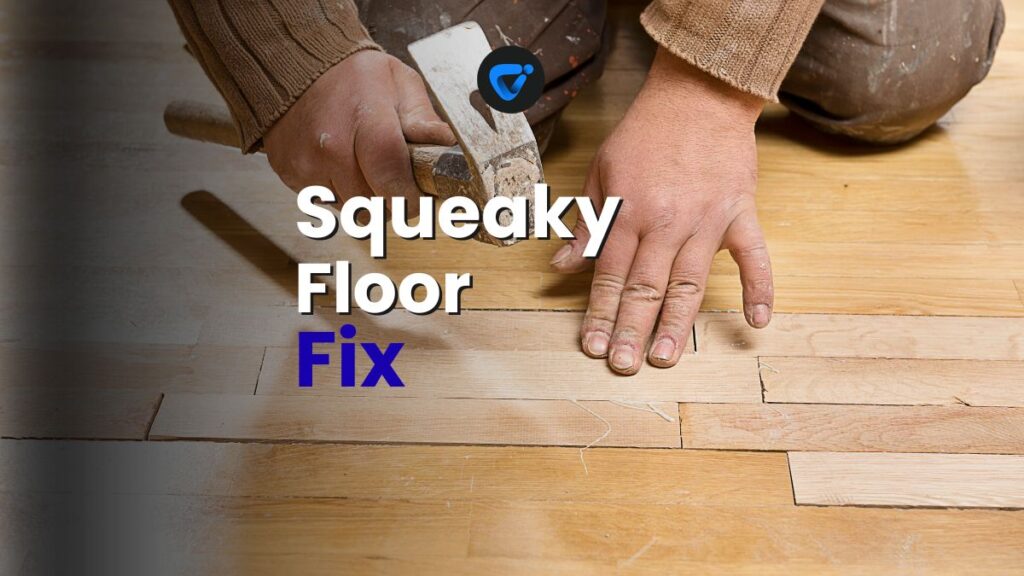

If the sharp chirp of a loose board has ever startled you, you’re not alone—almost every home faces hidden squeaky floor spots, no matter the season.
Sounds beneath your feet disrupt quiet moments, jolt sleepy kids awake, and embarrass with every unexpected visitor. Floors ought to be forgotten, not followed by constant creaks.
Below, you’ll discover professional but accessible ways to silence those squeaky floor spots without dismantling your flooring or planning a remodeling project.
Sink Stopper Cleaning and Seal Check
Conquer slow sinks for good. This guide covers real-world sink stopper cleaning, fast seal inspections, and easy tools. Get a tidier kitchen and bathroom starting today.
Boost Your Step with Everyday Lubricants
When you want quieter floors today, adding dry lubricants yields instant results by targeting squeaky floor spots where boards rub or nails flex as you walk.
Sprinkle lubricants between boards, sweep away excess, and walk the area to encourage the powder to flow deeper. The effect is immediate in most cases.
Try Talc or Graphite for Subtle Squeaks
Carry a small container of pure talcum powder or powdered graphite. Tilt it over squeaky floor spots, let it filter between seams, and massage with your foot.
Repeat on each trouble spot. People report quiet floors until future seasons shift moisture levels again, offering a low-cost, repeatable solution for ongoing noise.
If you’re sensitive to dust, consider gently vacuuming the area after application, then sweeping again after a few hours to capture any remaining particles.
DIY Wax Crayon Rub
A wax crayon can work when lubricants aren’t handy. Pick a neutral shade, scribble it into floor seams where squeaks emerge, and then rub with a soft cloth.
The wax reduces friction for a few months, and this technique is a favorite for households with kids who already keep crayons nearby for art projects.
Every so often, repeat where you notice performance drops. This practical trick requires no special tools or expertise, fitting perfectly into busy life routines.
| Lubricant | Cost | Best Use | Next Step |
|---|---|---|---|
| Talcum Powder | Low | Quick fixes on hardwood seams | Apply, sweep, assess after a day |
| Powdered Graphite | Moderate | Tougher, persistent squeaks | Vacuum excess, check in a week |
| Wax Crayon | Minimal | Spot treatments, invisible | Rub in, reapply as needed |
| Silicone-based Spray | Moderate | Edge boards near walls | Mask off, spray, wipe residue |
| Candle Wax | Minimal | Subtle color, thin seams | Rub candle, walk area |
Strategically Change Your Walking Pattern
You’ll decrease household noise if you adapt your usual routine, steering clear of squeaky floor spots or altering your foot placement for smoother movement.
Identify the most troublesome squeaky floor spots by slowly walking across each room, noting where and how the boards sound off most vocally.
Map the Trouble Zones
Mark noisy locations with removable painter’s tape. This visual guide helps everyone in the house tiptoe or sidestep the worst offenders without conscious effort.
Share your findings with family members. You may find siblings playing a “silent ninja” game, using mapped-out paths to dodge each squeaky floor spot en route to the kitchen.
- Observe each squeaky floor spot consistently during all times of day to spot fluctuating sounds due to climate changes and activity levels.
- Teach young kids or roommates to avoid flagged areas so noise doesn’t wake napping loved ones or disrupt remote work calls.
- Try marking with discreet sticky notes if you object to tape. Use subtle cues for holiday guests so they aren’t startled late at night.
- Plan alternate traffic routes around the busiest locations to reduce wear and tear, which can prolong the effectiveness of treatments already applied.
- Reset the markers every few weeks as sounds may migrate, especially when winter shifts to spring and floors expand or contract.
Tagging these areas often inspires lighthearted domestic competitions. Who can get across the living room without tripping a single squeaky floor spot?
Adjust Step Pressure for Best Results
Walk gently over the identified squeaky floor spots by shifting your weight to your heel or toe, rather than landing flat-footed. Small changes can reduce the board’s movement.
Shoes with cushioned soles help absorb pressure, dulling creaks noticeably. House slippers provide quick wins for early risers urgently needing a quiet hallway in the morning.
- Switch from stomping to rolling your foot smoothly with each step, lowering board movement and so diminishing noise from a recurring squeaky floor spot immediately.
- Ask frequent visitors to remove shoes inside. This minor etiquette reduces high-impact steps, which helps keep both your floors and your peace of mind in better shape.
- Guide friends through quiet detour routes when hosting late-evening gatherings, explaining which boards are safe. It saves awkward moments for all parties.
- Add extra welcome mats or throw rugs in particularly noisy hallways where guests or pets congregate, catching noise before it spreads further.
- Review heel marks and dust patterns to recognize high-traffic routes and consider temporary furniture rearrangement to minimize repeated crossings of the noisiest spots.
Developing mindful walking routines across squeaky floor spots ultimately adds comfort and control without extra costs, letting you enjoy your living space with fewer surprises.
Subtle Floor Coverings Make a Noticeable Difference
Layering rugs or mats instantly muffles recurring squeaky floor spots, giving your rooms a cozy feel while absorbing sound from footsteps above noisy boards.
Runners in hallways or area rugs in frequently used rooms provide targeted, stylish coverage for especially audible locations until more permanent repairs are possible.
Avoid Heavy Padding on Floating Floors
Heavy pads can compress over time, unintentionally ruining newer floating floors’ snap-together design. Opt for thinner rug pads that grip but stay flexible.
Thin pads maintain airflow, keep the rug in place, and still reduce noise escaping from those persistent squeaky floor spots below.
Resist layering multilevel pads as they may void some floor warranties—always check installation advice before making changes that involve adhesives or underlayment swaps.
Creative Rug Placement for Repeat Offenders
Slide a small throw rug horizontally along a hallway if squeaky floor spots line up in a row. Redirect guests to the rug path by pointing out the colorful decor.
If a noise-prone spot falls under a piece of furniture, try repositioning the item so its legs act as dampeners on the floor’s trouble zone.
Encourage kids to place play mats or decorative foam tiles where they play frequently, since these act as a buffer against noise and wear.
Room Humidity Levels and Flooring Noises
Manage moisture levels as daily swings in indoor humidity can worsen squeaky floor spots, especially in climates subject to rapid seasonal changes or drafty heating systems.
Use a simple room hygrometer to monitor fluctuations—aiming for a target humidity range helps keep wood movement and associated noises within normal limits year-round.
Seasonal Humidity Rule
Keep household relative humidity between 35 and 55 percent. When levels drop in winter, floors shrink and squeaky floor spots often spread.
Add a humidifier during dry spells. In humid months, use a dehumidifier to dry out the air to prevent swelling and noisy binding between wood planks.
Consistent moisture management translates to fewer spontaneous squeaks and extends the life of all floor coverings, improving comfort and reducing upkeep.
Furniture Placement Tactics for Sound Damping
Rearrange furniture or décor to mask squeaky floor spots and cut down on the nuisance echo without needing tools or costly products.
Solid, weighty furniture disperses pressure directly over trouble spots, damping vibrations that otherwise create those familiar floor sounds underneath with each step.
Strategic Positioning Case Study
A homeowner moved their bookshelf six inches to overlap a known squeaky floor spot. The new layout silenced the space instantly and refreshed the room’s appearance.
Try placing an end table or bench straight over recurring squeaky floor spots, testing first to ensure the fix doesn’t create awkward walkways or crowd existing furniture.
You can rotate lamps, potted plants, or baskets periodically as new sounds appear elsewhere, keeping your setup flexible and noise at bay.
Layering Accessories for Maximum Damping
Throw pillows on benches or thick books under decorative boxes can further absorb noise by breaking up vibration patterns right above persistent squeaky floor spots.
Stack a folded blanket atop storage cubes or stools to add soft mass—simple, movable accessories serve both practical and decorative purposes in noise-prone areas.
If using heavy planters, check that the flooring underneath is protected from moisture stains before repositioning over problem boards for prolonged periods.
Mindful Movement Habits in Common Areas
Encouraging housemates to move quietly and respect high-traffic zones preserves tranquility in shared spaces, reducing cumulative wear near squeaky floor spots.
Add entryway signage or casual reminders to reinforce sound awareness for new guests or overnight visitors unfamiliar with your floor’s quirks.
Practice Gentle Closing and Opening
Teach everyone to close doors softly, especially at night, since slamming jars boards and can aggravate existing squeaky floor spots beside doorframes.
Pause, gently push the door to its frame, and use the knob to reduce impact, keeping boards in place and your evening routine restful and quiet for all.
Draw attention with a light-hearted phrase: “Sneaky means squeak-free!”—a cue to move with care in your home’s most sensitive zones.
Change Footwear Inside
Provide house slippers by the entry as new arrivals take off their outside shoes, instantly softening sounds across squeaky floor spots and maintaining home hygiene.
Encourage visitors to swap heels for soft-soled shoes, explaining this keeps downstairs neighbors undisturbed and your quiet time uninterrupted even during gatherings.
Shoe-free households reliably record fewer worn-out floors and fewer unexpected squeaks. These habits protect both your investment and your sense of sanctuary.
Quick Fixes for Visitors and Special Events
Short-term solutions turn panic over squeaky floor spots before a party into calm with a blend of quick thinking and practical hacks using what’s already at hand.
Store a small kit with basic supplies in case you need to address noise on short notice when preparing for guests or special occasions in advance.
Temporary Spot Treatments
For emergency fixes, rub a dry bar of soap or candle wax over the offending seams. This can quiet squeaky floor spots for a few days, buying peace during festivities.
Press rugs, mats, or even folded towels into the worst spots as a temporary barrier until the celebrations are finished, then remove or upgrade them later.
You can also walk the event path yourself before guests arrive, noting if any last-minute tweaks to coverings or walking routes are needed for smooth movement.
Assigning Soundless Routes
Guide guests down the quietest pathways using light signals, hand gestures, or verbal cues, so the celebration isn’t peppered with avoidable squeaky floor spots echoes.
If there’s a kids’ sleepover or early meeting in the morning, reserve the noisiest stretch of floor for late-night snack runs, and keep main event paths as silent as possible.
Turn “no-squeak zones” into a playful challenge that even visitors enjoy—offering a gentle reminder to tread carefully while having fun at your gathering.
Confidently Navigating Squeaky Floors Anytime
Simple, practical steps can quiet your home and reduce the impact of squeaky floor spots, even without major repairs, using only common sense and household supplies.
Your floors become familiar territory as you layer, steer, and treat noise spots with small shifts that add up to a peaceful everyday experience.
Embrace these proven tactics to restore calm and let you enjoy your space again—every step becomes softer, every room invites relaxation, and squeaky floor spots fade into the background.

Quick Daily Bedroom Reset in Under 15 Minutes
Transform your space fast! Follow this 15-minute daily bedroom reset to keep things tidy, calm, and clutter-free.