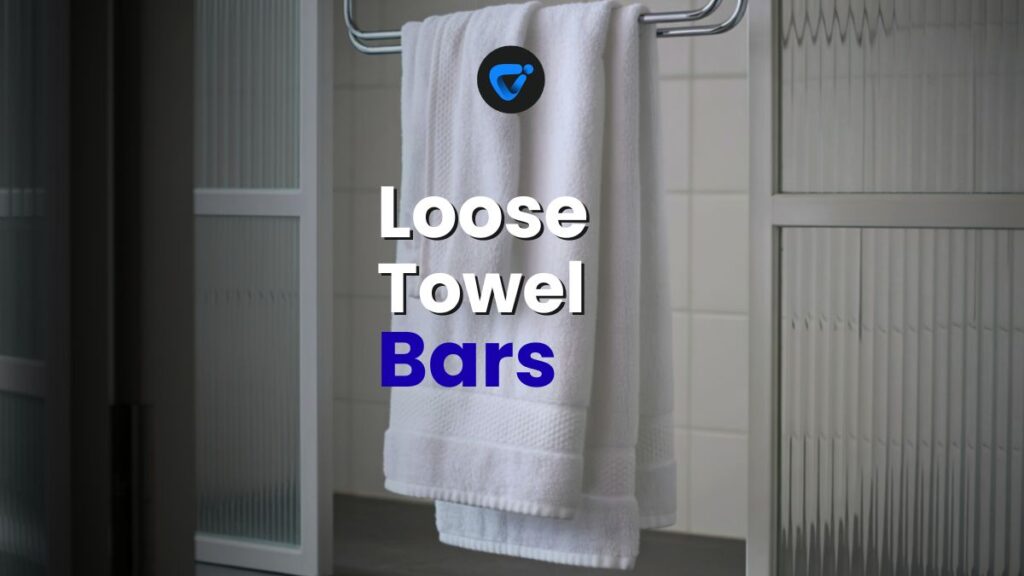

A towel slipping to the floor feels avoidable, yet a loose towel bar can cause real frustration. A solid fix goes beyond tightening a screw—it prevents repeat droops.
Every bathroom faces humidity and regular use, so towel bars need secure mounting. When they wiggle, even slightly, your towels end up on the floor and your wall can get damaged.
This article digs deep into repairing, reinforcing, and upgrading any loose towel bar, showing you reliable ways to prevent future trouble and reclaim a sturdy bathroom staple.
Fixing Slow-Closing Interior Doors
Fix slow-closing interior doors with a clear step-by-step guide to restore smooth, quiet operation at home.
Tackling Day-One Wobble with the Right Tools and Mindset
Right from the start, securing a loose towel bar means gathering reliable tools and understanding what exactly failed in the first place.
By inspecting both bar and anchors, you’ll save time later—uncovering whether your fix needs hardware, adhesive, or a fresh mounting hole.
Identifying the Source: Wall, Mount, or Bar?
Wall checks come first—press gently near the bar. If drywall gives, anchors may have slipped or crumbled, leading to your loose towel bar grief.
If the mount jiggles but the wall feels solid, inspect bracket screws. Stripped holes or screws that spin freely can’t hold weight securely and require an extra step.
Sometimes, the bar itself has warped connections. Lightly pull the ends off. If plastic connectors snap easily, replacement parts or tighter adapters may help.
Scenario: A Typical Loose Bar After a Move
Right after moving in, many notice their loose towel bar drooping. Removing it carefully shows wall anchor failure, not screw stripping—a relief.
After assessing anchor condition, plan for either toggle bolt upgrades or a wall patch before reinstallation. Addressing the base ensures permanence.
Look closely at both screws and backing plates; mismatched hardware from rushed installations can create ongoing problems for the next user.
| Problem | DIY Tools | Estimated Skill Needed | Takeaway |
|---|---|---|---|
| Anchor Pulled Out | Toggle bolt kit, patching compound | Beginner | Replace anchors and fill old holes for best grip |
| Screws Stripped | New screws, wall anchors | Beginner | Upgrade screws to ones that fit tightly in existing holes |
| Crumbled Drywall | Patch, drill, new anchors | Intermediate | Patch fully, then re-drill before reinserting hardware |
| Loose Bar End | Bracket adjuster, adhesive | Beginner | Tighten connection or reinforce with a compatible adhesive |
| Mismatched Hardware | Replacement mounting kit | Beginner | Use matching kits to avoid repeated failure from loose towel bar |
Setting a Lasting Anchor for Long-Term Security
Securing your loose towel bar long-term starts with picking suitable anchors and understanding wall composition. Each wall type calls for a specific approach and materials.
For drywall, toggle bolts or molly anchors add strength. Stud-mounted installations offer even more holding power, so locating studs can prove valuable for the fix.
Choosing Your Anchor Based on Substrate
For drywall-only regions, toggle bolts work better than standard expansion anchors. They spread force widely, preventing the loose towel bar from loosening under tension.
For tiled backsplashes or plaster, masonry anchors or specialty drill bits ensure clean holes. Avoid hammering, as it cracks tiles and can damage wall boards.
- Mark drill points using the bracket as a stencil; it’s vital for straight, even support after reinstallation.
- Pre-drill slowly, letting the bit do the work—rushing can tear drywall paper or crack tile faces, undermining your anchor.
- Insert chosen anchor and seat it flush—toggle bolts must spring open on the other side, so check wall depth before choosing size.
- Line up brackets and hand-tighten screws until firm, then give a gentle extra turn; over-tightening strips both anchor and drywall.
- Test the stability by wiggling—immediate give means retry. A solid mount resists twisting from towel pulling, preventing another loose towel bar scenario.
With anchors chosen and seated, you’re well on the way to a wall-friendly, strong fixture. Visual cues—bracket flushness and screw snugness—signal solid completion.
Tightening and Reassembling for a Solid Hold
Once anchors are in, align both mounting plates evenly. If you notice any gap or slide, pause—plates must sit flush or the loose towel bar will return.
Afterwards, secure the bar inside the brackets. If screws shift after assembly, consider adding a drop of thread locker for extra durability.
- Double-check bracket orientation; wrongly mounted, bars droop faster and stress anchors. Always align both sides before final tightening.
- Clean away wall dust or debris so connectors bite cleanly; grime can prevent a flush, tight screw seating, accelerating wear or making a quick fix useless.
- Hand-tighten all small fittings instead of using a power drill; overkill torque strips fragile parts, undoing careful patching work within days or weeks.
- Inspect the towel bar for fit—no wobble means done. Minor give? Try adding a rubber washer between metal parts for a tighter, quieter closure.
- Final test: apply light downward pressure to the bar and look for movement. If none appears, hang a towel and check a few hours later for any shift.
After these steps, expect a secure feeling and peace of mind, rather than repeatedly adjusting a loose towel bar and fearing mid-shower collapses.
Preventing Reruns: Quick Checks Keep Fixes Permanent
Permanently fixing a loose towel bar calls for setting a monthly or quarterly inspection habit. Checking supports helps catch loosening before it leads to wall damage.
Within family households or shared rentals, checking ensures guests don’t encounter a surprise when reaching for a towel. A quick wiggle test is all it takes.
Mini-Checklist for Ongoing Security
A brief monthly routine keeps your towel solution working. Here’s what works: Press up and down gently to catch early movement—no shifting is the goal.
Scan the brackets for hairline cracks—cracked metal or plastic hints at overstress and predicts future loosening of your towel bar fixture within months.
Verify screws are flush with plates. Any gap after just one use means you need to review your anchor process or hardware selection for next time.
What to Listen and Feel For
When testing, a clicking or squeaking sound signals a screw cycling inside the hole, not a solid wall connection. Address early to avoid wider repair work.
If you spot dust trails beneath brackets, mounting plates may be shifting. Immediate attention keeps a loose towel bar from becoming a recurring maintenance headache.
Gentle pressure—no more than you’d use to hang a heavy towel—should leave the bar steady and unmoved. Any wiggle justifies a double-check of anchors and plates.
Refreshing an Old Bathroom with Smart Upgrades
Upgrading your bathroom hardware gives real results: modern finishes resist corrosion and provide sturdier, hidden mount options for the formerly loose towel bar issue.
Switching from old plastic anchors to all-metal install kits brings reliability. High-use bathrooms especially benefit from upgrades to everyday hardware standards.
Scenario: Upgrading after Frequent Guest Visits
After several guest stays, towel bars loosened repeatedly. A switch to a stainless bracket kit solved the recurring hassle, making the towel bar a permanent fixture.
Guests noticed the difference—no more accidental pulls or sudden falls. A thoughtful upgrade impresses and keeps your space user-friendly for everyone.
Guests will feel the difference immediately, noticing your new hardware doesn’t sway or squeak under use—all thanks to a simple reinstallation and upgrade cycle.
Tying Upgrades into a Complete Bathroom Look
Coordinating finishes with handles or faucet hardware helps your towel bar look modern and intentional, removing the mismatched vibe older bathrooms sometimes project. Aim for uniformity in appearance and hardware.
Simple touches like matching screw covers or switching to concealed fastener kits add value and visual harmony—no exposed metal, just clean lines beside your vanity or sink.
Even if you don’t update every fixture, keeping towel bar standards high prevents future repairs and adds subtle value, especially if you plan to rent or sell soon.
Fine-Tuning Installation Details That Protect Walls
Protecting your wall from loose towel bar damage means going the extra mile with cautious installation—every measurement matters for a flush, reliable fit.
Pay attention to hole placement and marker accuracy; even a 1/16-inch error makes bar mounts angle, leading to uneven pressure and premature loosening of the fixture.
Measuring, Marking, and Testing Placement
Use a small level to mark your bar’s final position. A pencil mark guides baseplate drilling—don’t over-commit with a permanent marker until you’re positive about alignment.
Temporarily mount both brackets without the bar first. This way, you double-check height and horizontal placement independently. Adjust early to protect wall integrity later.
After testing bracket-only alignment, insert the bar to confirm smooth fitting. Minor adjustments mean less wall wear, and guarantee the fix for your loose towel bar lasts longer.
Selecting Mounting Hardware That Matches Your Wall
Choose expanding anchors for drywall patches. Use stainless or corrosion-resistant screws wherever water may gather to prevent future weakening at the joint line.
Anchors rated for heavier weight outlast standard kits—upgrade for high-traffic or family bathrooms to prevent the need to fix a loose towel bar again soon.
Always check manufacturer recommendations for your specific wall type and bar model. Following the small print means your repair goes the distance without further drama.
Finishing Touches: Blending Function and Aesthetics
Blending reliable mounting with aesthetic upgrades ensures your towel bar remains fixed and fits the bathroom’s design. Every detail, down to the choice of cover caps, contributes.
Ensuring everything lines up neatly, from mounting brackets to screw covers, hides all mechanics and highlights only your towel bar’s clean, modern lines.
- Add decorative screw caps to create a seamless look—these elevate utility to a style statement while protecting screws from moisture and corrosion long-term.
- Choose a towel bar design that matches faucet and handle metals. Consistency creates a cohesive appearance, making your project feel finished, not patched.
- Measure towels before final installation. Ensure enough clearance so even bulky towels hang neatly without interfering with doors, shelves, or walls nearby.
- Touch up wall paint after mounting. Keeping edges clean enhances both durability and style you’ll notice with every new guest visit or family use.
- Wipe down the finished install with a microfiber cloth—this prevents fingerprints from marring your renewed towel bar and keeps everything looking crisp for weeks.
With appearance and function aligned, your guests and family will appreciate a secure, stylish towel setup every time they step into the bathroom.
Restoring Peace of Mind with Each Towel Hang
Fixing a loose towel bar restores everyday confidence. Each properly anchored bar means no more mid-shower surprises—just seamless, reliable support for bath towels of any size.
Regular attention to mounting hardware, anchors, and visual cues saves both effort and repair costs. It truly pays off, both in peace of mind and long-term bathroom integrity.
Approach each loose towel bar situation with detailed steps and care. Every fix becomes part of a well-kept, comfortable home that feels right to owners and guests alike.
Water Dispenser and Ice Maker Deep Sanitizing
Follow a step-by-step guide to deep sanitize water dispensers and ice makers, ensuring cleaner water and safer daily use.