
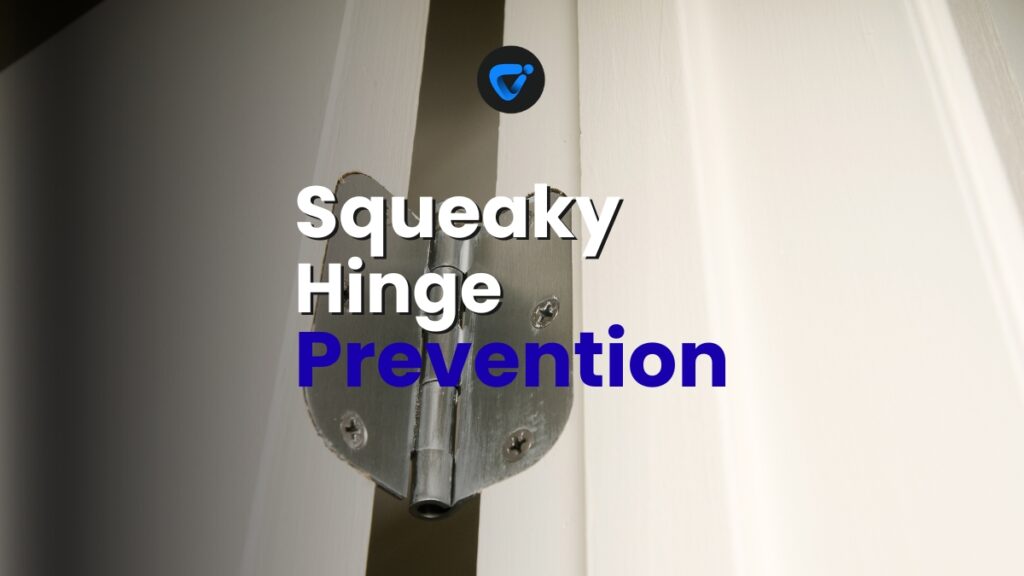

Squeaky doors grab your attention the moment you try to move quietly—sometimes at the worst possible times. There’s something universal about the small annoyance of a hinge that won’t cooperate, and squeaky hinge prevention finds its way onto everyone’s home to-do list eventually.
This isn’t just about silence. Squeaky hinges reveal hidden issues and, if left unattended, can wear down both patience and hardware. Addressing the noise early prevents future damage and costly repairs.
With a handful of household items, you can achieve squeaky hinge prevention without a trip to the hardware store. Discover straightforward methods, realistic scenarios, and actionable solutions you can try right now in your own home.
Dry Lubrication: Fast Results With No Mess for Hinges
Applying the right type of dry lubrication to a squeaky hinge brings near-instant relief. It avoids sticky residue and keeps hinge movement crisp and clean over time.
Sprinkle a bit of common dry lubricant, such as graphite powder or even the lead from a mechanical pencil, directly into the hinge pins. Most squeaky hinge prevention routines benefit greatly from this mess-free first step.
Choosing Between Dry and Wet Lubricants in Hallway Doors
For a door you use constantly, a dry lubricant stands out. It won’t pick up dust or pet hair, and it lasts through frequent use.
Wet lubricants sometimes create buildup over weeks, so for visible and high-traffic doors, stick with dry options for reliable squeaky hinge prevention and easy cleaning.
Using a dry method lets you open and close the door right away, showing off the immediate results to anyone in the room.
Mechanical Pencil Lead as an Emergency Fix for Bedroom Hinges
If a squeak sneaks up on you late at night, mechanical pencil lead is an emergency aid. Just scribble along the hinge pin and open the door a few times.
The graphite deposits inside the metal hinge, eliminating the noise with almost no visible residue. Squeeze the pin and test for squeaky hinge prevention success.
This technique is ideal when you’re in a hurry and need a quiet solution before waking up the whole household.
| Lubricant Type | Best For | Cons | Use This When |
|---|---|---|---|
| Graphite Powder | Interior, high-traffic doors | Hard to see coverage | You want fast, mess-free squeaky hinge prevention |
| WD-40 | Garage or outdoor doors | Leaves sticky residue later | You need an all-purpose fix but can clean up |
| Vaseline | Privacy or closet doors | Visible buildup possible | You want an easy, available material |
| Cooking Oil | Temporary, quick fixes | Attracts dust, wears off | You’re limited to kitchen options |
| Bar Soap | Cabinet hinges | Needs reapplication | You want a quick, low-mess option |
Petroleum Jelly: Reliable, Readily Available, Practical Option
Packing a bit of petroleum jelly into your hinge provides impressive squeaky hinge prevention for that bedroom or bathroom door you want to silence quickly and discreetly.
With its thick texture, it stays in place. Just pop out the hinge pin, coat it generously, and reseat it for long-term quietness.
Making Petroleum Jelly Work for High-Use Doors
Spread a thin layer of petroleum jelly evenly along both the hinge pin and the inside barrel. The jelly must touch metal contact points for lasting squeaky hinge prevention.
Rotate the door back and forth several times to work the jelly in. Immediately, you’ll notice a smoother, quieter swing with each use.
- Check for grit or dust, wipe down the hinge before applying jelly to ensure no trapped debris—unseen particles can gum things up, leading to more squeaks later on.
- Apply from both the top and bottom of the hinge so the jelly distributes evenly, reaching hidden spots inside the hinge barrel and optimizing squeaky hinge prevention throughout the joint.
- Keep napkins nearby for any accidental drips—while petroleum jelly is less messy than oils, it can stick to hands and surfaces. Quick cleanup helps avoid tracking residue.
- Use a cotton swab for precise placement. This small tool helps get the jelly into tight spots, boosting effectiveness and minimizing waste for smooth, lasting hinges.
- Reapply every few months during seasonal cleaning. Scheduling maintenance with regular chores prevents squeaks from returning and ensures continuous, hassle-free door movement.
By using these methods, you equip yourself for squeaky hinge prevention throughout high-use areas in your home, especially where doors see frequent traffic and sudden movement.
Alternative: Candle Wax on an Entry Door
Hold a household candle and rub wax directly along the exposed part of the hinge pin. The heat of your hand helps melt a thin layer.
Candle wax binds well to metal. Push the pin back into place, rotate the door, and listen for silence. Test for results, then wipe away extra wax.
- Select white, unscented wax—colored or perfumed candles sometimes stain the hinge or door edge, undermining the clean look you want for visible entryways.
- Rotate the pin during wax application. Twisting ensures full coverage and easy spreading, letting you avoid missed spots that can trigger stubborn squeaks.
- Use a soft lint-free cloth to wipe extra wax. Any buildup outside the hinge area attracts dust, so remove it for a cleaner, professional finish every time.
- Schedule this quick check as part of your entry or porch cleaning every spring and fall, keeping hinges silent through rain, snow, and humidity shifts.
- Store wax sticks in your utility drawer for fast access—when an unexpected squeak appears, you’re able to resolve it in seconds with no special gear.
Switching to candle wax is ideal when you want a dry, non-greasy look on door hardware that faces guests or public areas.
Quick Fixes Using Kitchen Staples: Oil, Spray, and Soap
Grab kitchen basics when time is short—a drop of oil, cooking spray, or even bar soap gives you an emergency buffer against metal-to-metal rubbing in the hinge.
Instant kitchen options offer accessible squeaky hinge prevention, letting you address noisy doors without delay until a long-term fix is possible.
Cooking Oil and Hinge Pin: The Speedy, Temporary Answer
Dab a small amount of cooking oil (such as olive or canola) on a folded paper towel and run it over the hinge pin. Move the door to spread oil inside.
Use clear, unscented oils for indoor doors where scent transfer or visible marking is a concern. Blot away excess to minimize sticky aftereffects during the interim.
This solution is perfect when guests arrive soon or the squeak appears late at night, buying you time for a deeper squeaky hinge prevention approach.
Bar Soap for Cabinet Hinge Maintenance
For smaller areas, rub a dry, unscented bar of soap directly along the joint. Move hinges back and forth so the soap coats the entire surface evenly inside.
This friction barrier doubles as both a cleaner and a light lubricant. Realistically, repeat soap treatment monthly or as cabinets show signs of squeaking again.
Pair this remedy with regular kitchen cleaning to form an easy care habit, minimizing unexpected noise and promoting lasting squeaky hinge prevention for cupboards and closets.
Toothpaste and Crayons: Surprising Niche Uses for Hinges
Unusual as it sounds, toothpaste and wax crayons both smooth squeaky hinge movement when traditional lubricants aren’t on hand. Experiment for one-off, creative solutions that really deliver.
Whitening, non-gel toothpaste acts as a gentle abrasive and polish, while crayons mimic commercial wax, adhering quickly to metal for micro-lubrication and temporary squeaky hinge prevention.
Toothpaste Polishing Portable Hinges
Squeeze a tiny bit of non-gel toothpaste onto your fingertip and rub directly onto exposed, stained, or sticky hinge pins needing a quick cleanup and lubricating effect.
Open and close the hinge repeatedly. Rinse away leftover toothpaste with a damp cloth, leaving the hinge gleaming and moving quietly—repeat if minor squeaking returns.
Reserve toothpaste for lightweight hinges on bathroom cabinets or jewelry boxes for occasional, maintenance-friendly squeaky hinge prevention with minimal visible residue.
Wax Crayon for Spot-Squeaks on Office Supplies
Perfect for narrow desk-drawer hinges, grab a plain wax crayon and run it firmly back and forth over any exposed joints until a thin coating builds up.
Move the hinge to work crayon wax inside. Check for noise reduction and don’t worry if some color transfers—it wipes off easily with a paper towel after a few swings.
Carry a neutral-colored crayon in your desk drawer for stealthy, on-the-spot squeaky hinge prevention wherever small office fixtures demand quiet functionality.
Seasonal Checks: Keeping Squeaks Away All Year
Keeping hinges quiet year-round means adding squeaky hinge prevention checks to your calendar with spring and fall transitions. Weather changes cause subtle shifts in metal alignment and lubrication needs.
When you build routine inspection and care into seasonal chores, you make sure squeaks never reappear, saving money and hassle for years to come.
Assess and Clean: Your Springtime Hinge Checklist
Wipe down all high-use door hinges to remove any dust, mud, or build-up from winter air and rain. Use a flashlight to catch hidden residue along the pin base.
If hinges feel sticky or show signs of rust, remove the pin and scrub gently with a dry toothbrush. Relubricate using your preferred household method for durable squeaky hinge prevention.
Finish your routine by cycling each door open and closed four times, listening for renewed silence and catching any spots you might have missed with your chosen fix.
Humidity Awareness: Summer Maintenance Rule
Wet, humid weather causes the metal in hinges to swell against itself, promoting friction. Between late May and August, inspect door and window hinges every six weeks for early warning signs.
Apply a tiny drop of lubricant if you hear even a faint creak. Act proactively so the squeak never progresses, maintaining a calm, undisturbed household as temperatures rise outside.
Keep both dry and wet lubricants handy, as humidity impacts different doors in unpredictable ways. Consistency is the real secret to squeaky hinge prevention year-round.
Long-Term Door Care: Easy Habits Build Lasting Silence
Developing a set of quick, regular care habits cements squeaky hinge prevention in every season, keeping doors and cabinets silent, smooth, and reliable as your home changes.
Set small reminders—tie hinge care to routine events such as deep cleaning, post-holiday resets, or major furniture moves. This transforms maintenance into an easy, automatic step.
Door Movement and Re-Alignment for Ongoing Prevention
Long-term squeaky hinge prevention includes checking door alignment. Slight warping makes hinges rub, creating noise even when freshly lubricated. Use a square or straight edge to spot problem doors.
If the door tilts or drags, gently tap hinge screws tighter with a screwdriver. Sometimes, even shifting a single screw makes the noise disappear, restoring the effortless swing you want.
This hands-on approach completes the circle: you not only fix noise but extend the lifespan of every hinge and door throughout your living space.
Conversation Example: Teaching Kids Reliable Hinge Care
“Hey, do you hear that squeak? That means we need to care for our doors.” Demonstrate applying jelly or wax, and let kids work the door back and forth.
Explain that regular attention keeps rooms peaceful and friends happy during sleepovers or family gatherings. Encourage hands-on help for future squeaky hinge prevention.
Kids who participate see why maintenance matters, building small habits into big lifetime outcomes—just by keeping doors moving quietly and reliably in every room.
Everyday Renewal: Practical Steps for Squeaky Hinge Prevention Success
Effective squeaky hinge prevention is the result of steady, practical habits using clever household items—pass down effective techniques to keep your home peaceful and efficient year-round.
By scheduling a few routine checks each season, you ensure hinges operate quietly. Sharing these tips helps neighbors and visitors enjoy smooth, trouble-free entry and exit on every visit.
Embrace the simplicity of everyday home care. The right products and a little attention make sure squeaky hinge prevention delivers comfortable, undisturbed silence for years to come.

Quick Daily Bedroom Reset in Under 15 Minutes
Transform your space fast! Follow this 15-minute daily bedroom reset to keep things tidy, calm, and clutter-free.