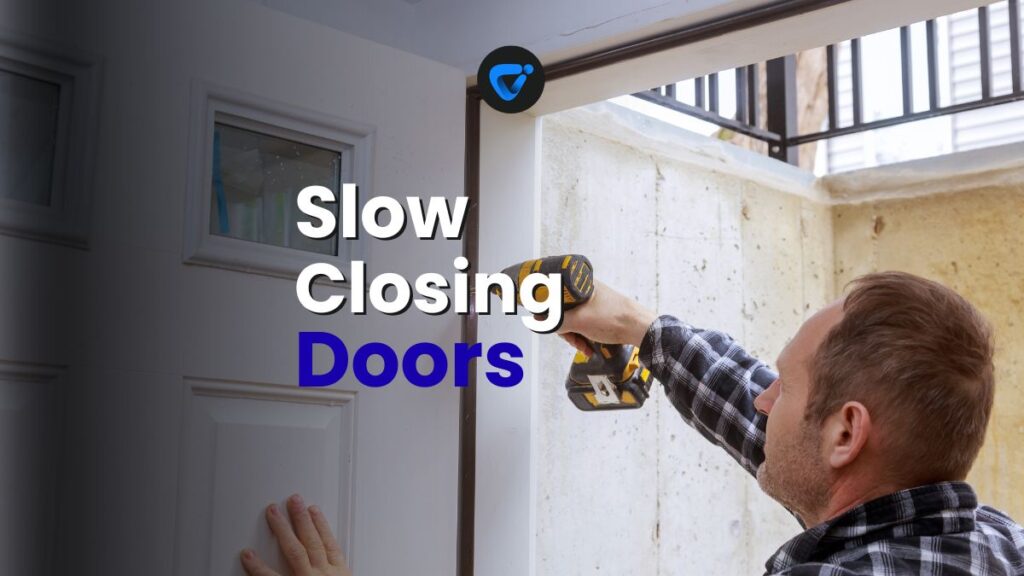

Gently pushing an interior door, waiting—and waiting—for it to latch can get tedious fast. When slow closing doors are a regular annoyance, even a cozy home loses its charm.
A good door should shut smoothly, not stall halfway or require an extra tug. Slow closing doors break your flow and interrupt everything from conversations to a late-night snack run.
Explore proven fixes for slow closing doors, common causes, and simple maintenance tricks. Let’s make your doors glide shut as they should, boosting both function and comfort in your living space.
Sink Stopper Cleaning and Seal Check
Conquer slow sinks for good. This guide covers real-world sink stopper cleaning, fast seal inspections, and easy tools. Get a tidier kitchen and bathroom starting today.
Pinpoint the Real Issue to Solve Slow Closing Doors Once and For All
Addressing slow closing doors starts with knowing what’s actually triggering the drag. You’ll find visible signs or subtle cues—both can point you toward specific, actionable repairs.
Some doors slow down due to hardware fatigue, while others stick from seasonal expansion. Pinpointing the right reason upfront speeds your fix and helps avoid wasted effort on guesswork alone.
Checking Door Alignment for Friction Points
If a door isn’t flush with its frame, slow closing doors become almost inevitable. Stand at eye level and watch for tilting or dragging edges as you swing the door shut.
Small gaps near the handle or hinge can create pinch points that slow the door. If you feel resistance, even slight, along the swing, alignment may be the culprit.
Touch the bottom edge as you close the door. Scraping paint or scuffed flooring signals misalignment, making it harder for slow closing doors to follow a straight, easy path.
Identifying Hinges That Need Attention
Dry or gummed-up hinge pins drag motion, which adds extra friction. Press an ear to the hinges and listen for creaks or pops as the door moves slowly shut.
Run a fingertip along the hinge leaf and check for grime or sticky buildup. Rust stains or black residue along the pin holes usually indicate slowing over time.
Visual clues—like lopsided hinge screws—signal wear or loosening. Tighten loose fasteners so slow closing doors aren’t working against wobbly anchoring.
| Issue | Detectable Symptom | Tool to Use | Next Step |
|---|---|---|---|
| Hinge Friction | Creaky noises; jerky motion | Lubricant, screwdriver | Lubricate and tighten hinge screws |
| Misalignment | Side or bottom scraping | Level, utility knife | Adjust frame, sand tight edges |
| Hardware Wear | Loose handles; sticking lock | Philips screwdriver | Replace hardware as needed |
| Seasonal Swelling | Door sticks after rain or humidity | Dehumidifier, sandpaper | Reduce moisture, gently sand swollen edge |
| Latch Problems | Latch won’t fully engage | Flathead screwdriver | Adjust strike plate, lubricate bolt |
Simple Tools that Make Fast Work of Slow Closing Doors
Keeping a handful of reliable tools ready shortens your repair time. Knowing exactly what works clears confusion for anyone frustrated by slow closing doors.
Set up a small toolkit near your workspace before you start. Each item listed below addresses a specific aspect, so you don’t stop mid-job to hunt them down.
Assembling Your Go-To Toolkit
Gather a screwdriver set with both flathead and Phillips tips. These help remove hardware on slow closing doors without damaging surfaces.
Stock a can of silicone spray for hinge lubrication. Lubricants that evaporate quickly or attract dust won’t fix friction, but silicone leaves a clean, lasting layer.
- Pick a level tool: Guarantees the door realigns properly after adjustments and reduces persistent sticking.
- Have a utility knife: Instantly trims paint buildup or caulk that stops slow closing doors from moving freely.
- Prepare a sanding sponge: Smooths rough, swollen wood edges and restores a frictionless swing to interior doors.
- Keep extra hinge pins: Swapping in a clean, rust-free pin is quicker than restoring a heavily corroded one.
- Include an adjustable wrench: Tightens fasteners at hinges and strike plates to ensure every attachment is solid and secure.
Organize every item on a tray for easy access. Lay hardware on colored cloth so no screws or pins go missing when reassembling slow closing doors.
Safety Steps Before Starting
Remove rugs or obstacles near your workspace. Closing doors fully while repairing requires clear floor space to avoid tripping.
Wear light cotton gloves during sanding or painting to protect fingers. If working with oil-based lubes, gloves double as cleanup aids.
- Set aside screws: Place them in a shallow dish or magnetic tray so they won’t roll away during repairs.
- Prop the door: Use a sturdy wedge or wood shim underneath to avoid stressing hinges when pins are out.
- Check for lead paint: Use a testing swab if your home predates 1978 and sand only after confirming paint is lead-free.
- Ventilate the area: If spraying lubricant, open a nearby window to keep fumes low and working safer.
- Light the workspace: Direct light reveals hairline gaps or misaligned fastener holes that slow closing doors need fixed.
Review your workspace before you begin. Every safety measure keeps the repairs focused and injury-free, particularly with frequent use of hand tools and lubricants.
Optimize Door Movement by Tackling Misalignment and Friction
Eliminating excess drag allows slow closing doors to shut smoothly again. Focused attention on alignment and moving parts helps resist future problems from cropping up unexpectedly.
Addressing friction alongside subtle misalignments pays off with reliable, comfortable door closure every day—especially when multiple people open and close the same door frequently.
Correcting Hinges for Consistent Swing
Tighten each hinge screw, starting from the top and working down. Looseness causes the door to sag and delays the swing, producing slow closing doors with uneven force.
If you notice wood fibers in the screw hole, swap for a slightly longer screw to grab solid wood, ensuring that hinge resistance is even along every axis.
Spray a light layer of silicone lubricant onto the hinge pin and rotate the hinge back and forth. Repeat removal and spray until slow closing doors move quietly and freely.
Realigning for a Snug But Smooth Fit
Place a bubble level along the door’s edge. Adjust mounting screws or shim the lower hinge as needed for perfect vertical alignment of your slow closing doors.
Slice away old paint drips or caulk at sticking points near the edge using a utility knife. Sand any swollen areas to eliminate drag, test closing, and repeat adjustments until the swing feels effortless.
Finish by opening and shutting the door ten times—watch for returning friction, uneven latch engagement, or sticking spots that signal a need for another small adjustment.
Maintain Lasting Results with Simple Upkeep Routines for Slow Closing Doors
Scheduled upkeep can extend smooth operation and keep slow closing doors trouble-free. Consistency in maintenance routines helps every door in the home operate at its best year-round.
Routine checks let you spot minor issues long before they become frustrating. Treating doors like any other home fixture delivers ongoing reliability without extra effort.
Monthly Hardware Checks
Inspect hinges and strike plates every month. Look for evidence of dust buildup, loose fasteners, or mild rust—common delays for slow closing doors indoors.
Tighten any loose screws before they can turn into a wobble. Replace missing screws right away; use matches or toothpicks to fill holes for a snug fit.
Keep a basic logbook by the toolkit, jotting down swing speed and sound every visit; it quickly spots subtle trends in slow closing doors that otherwise go unnoticed.
Seasonal Adjustments
Spring and fall bring temperature and humidity swings that play havoc with wood doors. Light sanding keeps swollen edges under control, while a touch of lube preps hinges for extra use.
Leave a ten-minute window quarterly for each door checkup. The upfront investment keeps slow closing doors from overstressing frames or hardware when seasons shift abruptly.
Recheck alignment immediately after large storms or humidity jumps. Testing doors in real time verifies that closure speed stays consistent and predictable even with weather changes.
Quick Fixes: Easy Solutions for Immediate Improvement
A handful of quick actions provide immediate relief from irritatingly slow closing doors. These measures suit busy routines and renters wanting fast improvement.
Try the most straightforward adjustment first, noting the result. Working from easiest to more involved steps saves time and keeps every intervention purposeful and focused.
- Apply silicone lubricant to hinges to smooth out slow closing doors—shake the can, spray lightly, and cycle the door back and forth to distribute evenly.
- Tap hinge pins lightly with a rubber mallet; a loose hinge pin can subtly sag a door and slow down the closing speed.
- Slightly adjust the striker plate—loosen screws and nudge it until the latch bolt aligns perfectly, allowing swift, full closure on slow closing doors.
- Sand sticky spots along door edges with 150-grit paper until all roughness is gone, then wipe down with a soft, dry cloth before closing the door several times.
- Clear the threshold of tiny debris, loose nails, or carpet edges which can slow closing doors by subtly catching the bottom edge every time the door swings.
Use each technique methodically, and re-test after each step. If slow closing doors persist, you’ll know which part needs deeper focus without unnecessary backtracking or guesswork.
Smart Upgrades to Make Slow Closing Doors a Thing of the Past
Upgrading select door hardware not only fixes slow closing doors but elevates the feel and experience of every room. Modern hardware often improves both function and sound insulation.
Choose hardware compatible with your existing frame dimensions and weight rating, particularly for solid core or larger passage doors needing extra strength and smoothness.
Self-Closing Hinges: Effortless, Reliable Closures
Install self-closing hinges on doors where hands-free operation is valuable, such as the laundry or basement. Mark old hinge outlines; pre-fit new hinges for a quick transition.
Test spring tension before final mounting, making adjustments only after repeated test runs. Too much tension can slam doors, while too little returns you to slow closing doors.
After installation, swing the door twenty times. Listen for clicks or uneven motion—these signals call for a minor adjustment or a return to previous steps before making it permanent.
Soft Close Dampers for Whisper-Silent Operation
Add on-door dampers work best for bedrooms or nurseries. Mount in the upper corner of the frame, checking the manufacturer’s guide to better match the size and weight of the door itself.
Twist the damper dial to fine-tune closure speed. Compare against a standard swing, repeating as needed until the door closes gently without the drag associated with slow closing doors.
Keep damper surfaces clean; dust or paint splatters reduce effectiveness and may cause inconsistent operation, undoing the benefits of your upgrade.
Closing Thoughts on Fixing Slow-Closing Interior Doors
We’ve traced every step from diagnosing stubborn slow closing doors to applying reliable fast fixes. Each section adds a piece to smoother, quieter, better-closing doorways at home.
Putting consistent care into hinges, alignment, and hardware not only fixes slow closing doors but delivers peace of mind and lasting home comfort, regardless of how busy your schedule gets.
Take a few minutes today and try out these ideas. Soon, every slow closing door in your home will feel brand new—all it takes is a clear plan and a little focused effort.
Water Dispenser and Ice Maker Deep Sanitizing
Follow a step-by-step guide to deep sanitize water dispensers and ice makers, ensuring cleaner water and safer daily use.