
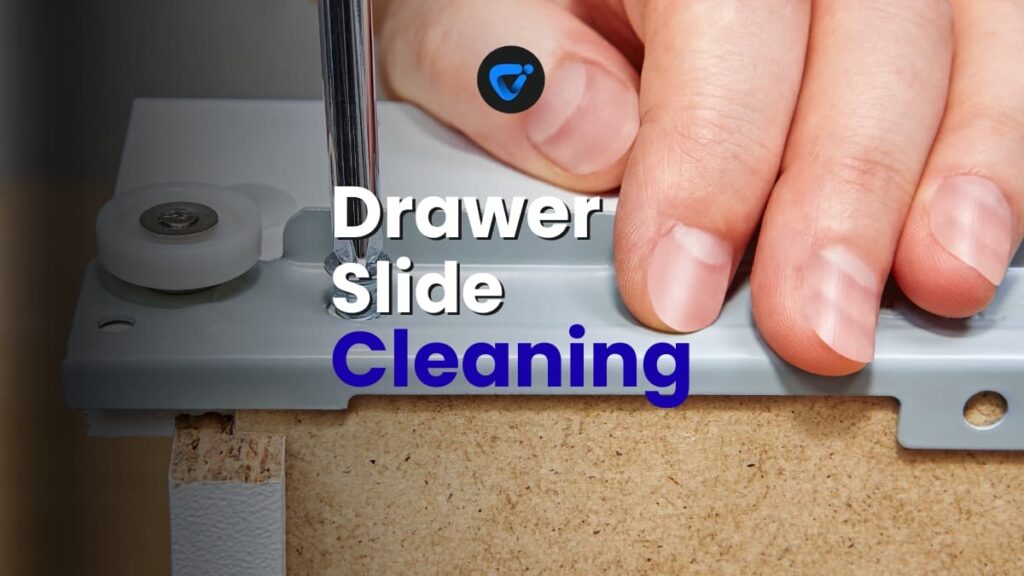

<p Sticky drawer slides slow everyone down. When they glide smoothly, your kitchen, office, or workshop feels easier to use. That’s why drawer slide cleaning pays off every single time you do it.
<p Dust, crumbs, and stray bits of packaging find their way into slide mechanisms. Without upkeep, you’re fighting resistant drawers and risking unnecessary wear. Clean slides mean longer lifespan and less frustration.
<p Ready for practical tips and real-world examples? Keep reading to learn how regular drawer slide cleaning delivers smoother motion, quieter furniture, and less strain on your hands.
Create Effortless Movement With Routine Drawer Slide Cleaning Steps
<p Clearing out grime from drawer hardware directly improves how smoothly drawers open and close. A regular drawer slide cleaning routine prevents surprise jams and helps everything stay aligned longer.
<p Old spaghetti sauce splatter or spilled cereal can gum up metal rails in any kitchen. Creating a repeatable cleaning habit reduces these surprise snags and keeps the daily flow steady.
Establish a Routine You’ll Actually Follow
<p Life gets busy, so tie drawer slide cleaning to an existing cleaning rhythm, like wiping counters. If it happens after dinner, momentum will help you remember and stick with it.
<p One person might say aloud, “Every Friday, after sweeping, I’ll wipe the drawer slides.” This anchors the habit in action instead of forgetfulness, making maintenance almost automatic.
<pStart with a visible drawer and expand each week. Soon it becomes a quick, reassuring ritual before vacuuming. You’ll feel the difference in how drawers respond day after day.
Daily Wear-and-Tear Clues That Signal Cleaning Time
<p Watch for drawers that stutter or roar. If you see powdery buildup along a rail, grab a microfiber cloth. Spilled sugar or pet fur both signal time to intervene.
<p Grimy fingerprints on drawer fronts are more than unsightly—they’re a cue that friction is building up inside, too. Catching these things early avoids headaches and allows swift, simple fixes.
<p If your drawer jumps the track or needs a forceful tug, don’t ignore it. Immediate drawer slide cleaning can prevent permanent distortion or warped metal tracks in both home and work spaces.
| Problem | Quick Check | What to Clean | Next Step |
|---|---|---|---|
| Sticking drawer | Drawer resists opening | Slides, rails, wheels | Wipe then lubricate |
| Scraping noise | Unusual metal sound | Entire track | Inspect for debris |
| Visible dirt | Dust or crumbs in rail | All moving parts | Brush clean |
| Drawer jumps track | Drawer feels uneven | Alignment points | Check screws |
| Hard to close | Drawer won’t shut fully | Inner and outer runners | Full clean and align |
Remove Common Buildups and Restore Smooth Rolling in Seconds
<p Knowing what clogs up your drawer slides helps you tackle problems before they get worse. The right tools and sequence let you cut cleaning time in half.
<pDrawer slide cleaning isn’t just about dust. Sticky crud, hair, and even dried glue show up after craft projects or household repairs. Each type calls for a specific solution.
Choose the Right Cleaning Gear for Your Slides
<pA soft-bristled brush sweeps out crumbs without scratching the finish. A can of compressed air works for tight corners and tracks you can’t reach by hand.
<p Dampen a microfiber or lint-free towel with a mild cleaner for stuck-on dirt. Avoid harsh chemicals on wood or painted finishes – they soften glue or remove coatings.
- Pick a narrow vacuum nozzle to clear rails in seconds—use a gentle, slow motion along the groove for best results every time.
- Switch to cotton swabs for persistent spots—dab the tip in cleaner and use gentle circles just on stained areas, then wipe dry immediately.
- A plastic putty knife works for dried food—it scrapes up corners without scratching the rails, ideal for kitchen drawers after spills.
- Choose a rubber eraser to lift grime from metal slides when you spot grayish streaks or sticky buildup that won’t come off with water alone.
- Finish up with a quick towel-blot—press and lift style—to absorb extra moisture and prevent metal hardware from rusting after drawer slide cleaning.
<p Once slides dry, run your finger along them. If you feel rough patches, repeat targeted cleaning before moving on to friction reduction steps.
Clear Out Invisible Gunk for Smoother Performance
<p Invisible buildup includes things like cooking spray residue on kitchen slides or soap film on bathroom vanity drawers. These invisible films invite more dirt, so don’t skip this stage.
<p Use a gentle degreaser or diluted dish soap for oily buildup. Work in small sections and re-dry with a clean towel, repeating as needed until the slide feels smooth and residue-free.
- Apply degreaser directly on problem areas—focus only where shine or stickiness remain, then remove all traces so hardware moves freely.
- Clean finish using quick repeated wipes—alternate wet and dry towels to avoid water spots that can attract dust after drawer slide cleaning.
- Wipe with distilled water for streak-free shine—avoid tap water, which can leave behind minerals, especially on chrome or painted sliders.
- Switch to a toothbrush for detailed work—get in between fine grooves and mounting points where old grime might hide.
- Finish with a double check—slide the drawer in and out, feeling for improvement after every cleaning pass to ensure no sticky spots linger.
<p Clean slides not only look neat but last longer, preventing squeaks and premature failure after repeated use at home or work.
Apply Lubrication for Silent, Smooth Movement Every Time
<p Lubrication after drawer slide cleaning eliminates friction and noise. Choosing the correct product prevents future buildup and is safe for every type of hardware.
<pApply the lubricant with intention, not excess—just a thin layer on tracks, runners, or wheels is enough for silent gliding and easier motion under any load.
Selecting the Best Lubricant for Your Drawer Slides
<p Stick with non-greasy silicone spray for most modern drawers—it won’t trap dirt or cause stains. White lithium grease handles heavier loads, ideal for garage drawers full of tools.
<p Solid paraffin wax (from a plain candle) works on older wooden slides. Rub wax directly along the wood. You’ll hear drawers quiet as friction melts away on the next open.
<p Avoid petroleum jelly and vegetable oil, which only invite dust and eventually gum up more. After drawer slide cleaning, check your lubricant label for compatibility with your drawer’s surface.
Exact Application Steps for Long-Lasting Results
<p Hold the drawer halfway open. Spray or rub a small amount of lubricant onto both tracks, focusing on jointed and hidden surfaces where metal-on-metal contact happens.
<pGently slide the drawer open and closed several times, distributing lubricant evenly. Wipe any excess to avoid drips on clothes or fingerprints on cabinetry.
<pFinish by inspecting for smooth glide and silence with each motion. If you hear squeaking, repeat the process; too little lubricant leaves metal scraping and a rough, gritty feel.
Address Worn or Damaged Drawer Slides Before Replacing Parts
<p After regular drawer slide cleaning, always inspect for cracks or bent hardware. Fixing minor issues now saves the cost of full replacements and extends drawer life.
<p Addressing problem parts when you spot them stops further damage. Many common issues are easier to fix than most expect—no need for special tools or advanced DIY expertise.
Tighten, Adjust, and Align Misfitting Slides
<p A loose screw throws off alignment and increases friction. Check each fastener, especially at endpoints. Twist gently with a hand screwdriver, never an electric drill, to avoid stripping wood.
<p If your drawer feels crooked, loosen mounting screws slightly, slide the drawer in halfway, and retighten evenly. This lets rails settle in the correct place for less grinding.
<p Realign both rails at the same time—someone says, “Hold it straight!”—then tighten in sequence. Test motion as you go. Proper alignment reduces stress on both tracks and slides.
Spot Signs of Permanent Wear or Failure
<p Look for deep grooves, missing ball bearings, or rust patches after each drawer slide cleaning cycle. If movement improves after lubrication but noise remains, replacement might be necessary.
<p Replace ball-bearing slides if you see metal filings or hear grinding even after aligning and cleaning. Prolonged resistance points to hidden damage inside the mechanism, which repairs won’t resolve.
<p Record recurring problems on a notepad or calendar. If the same drawer struggles month after month despite cleaning, upgrade the slide hardware to restore safe, frustration-free use.
Customize Drawer Slide Cleaning for Different Materials
<p Not all drawer slides are built the same. Each material responds best to a matched cleaning method, preserving look and performance whether it’s metal, plastic, or wood.
<p Adjusting your approach by drawer type keeps hardware in top condition. Following the right approach guarantees better results and fewer maintenance headaches—plus a neater finish.
Metal, Wooden, and Plastic Slides: Side-by-Side Scenarios
<p Metal slides respond best to microfiber cleaning, followed by a light silicone spray. Refrain from using oily pastes, which accumulate dust. Always dry metal fully before lubricating.
<p Wooden slides benefit from solid wax rubbed directly onto moving parts. Avoid water, which can cause swelling in humid climates. Sand lightly if wood feels rough before applying wax.
<p Plastic drawer slides need only a gentle wipe with a damp towel followed by a touch of silicone spray or dry Teflon lubricant. Never use petroleum grease, as it damages plastic’s finish.
Unusual Hardware Types: Bathroom Vanities and Tool Chests
<p Slides exposed to moisture, like in bathrooms, require more frequent cleaning and drying. Use diluted vinegar or a mild cleaner for water spots, finishing with thorough drying to prevent future rust.
<p Tool chests with heavy-duty metal slides collect grit fast. Follow up every drawer slide cleaning with a heavy-duty lubricant, wiping surplus to avoid fingerprint smudges or oil stains on tools.
<p Specialty furniture, like vintage desks, often has unique runners. For these, skip sprays and use only solid wax, applying gently by hand and testing each motion along the full length before closing.
Keep Hardware Smoother for Longer With Smart Prevention
<p Consistent drawer slide cleaning is easier when you guard against buildup. Prevention pays extra dividends over time, reducing repair costs and prolonging the life of every drawer you maintain.
<p Small, quick changes around your home or office add up. Protecting slides from everyday hazards ensures motion stays smooth, and clutter never builds up in the wrong places.
Daily Habits for Lasting Glide
<p Store only clean, dry items in drawers, as damp packages introduce moisture and crumbs. Clean compartments weekly with a handheld vacuum for a fast, thorough sweep that removes dirt before it reaches the slides.
<pWipe spills promptly—even a few grains of rice or a splash of coffee can move toward slide hardware, encouraging sticky buildup. A quick daily scan prevents these hassles from getting worse over time.
<pUse drawer liners for an extra barrier. Liners catch debris and crumbs before they work into moving parts, making drawer slide cleaning easier and more effective every week.
Workplace and Workshop Drawer Strategies
<pIn professional spaces, assign drawer slide cleaning as part of monthly equipment checks. Keeping tool and supply drawers smooth prevents costly tool damage and eliminates delays during busy shifts.
<p For shared desks or crafting drawers, create a checklist. Include “wipe slide rails, vacuum inside corners, inspect for rough motion, and apply lubricant” as part of a recurring maintenance plan for all users.
<pLabel drawers prone to heavy use at home as “high traffic.” Prioritize these for more frequent attention—monthly instead of quarterly—so they stay quiet and fast during demanding routines.
Drawer Slide Cleaning and Friction Reduction: Practical Takeaways
<p Consistent drawer slide cleaning means less effort and noise every time you open a drawer. A few targeted minutes each month prevents sticky surprises and extends hardware life.
<pNoticing early warning signs, choosing the right tools, and tailoring your cleaning to both material and location delivers better results, whether maintaining a kitchen drawer or busy office storage.
<pEvery clean, smooth glide adds up to easier living and working. Treat slides with care, spot problems early, and enjoy reliable motion for years—one drawer at a time.