
Switching to homemade cleaning solutions is like clearing clutter from both your home and your mind. Stumbling across powdered cleaners diy recipes can be a turning point in your daily routine.
People care more about reducing waste and saving space, so understanding how powdered cleaners diy options work fills a real need. These solutions cut down on single-use plastics and bulky storage.
Dive in to discover actionable recipes, storage hacks, and real-life advice to make powdered cleaners diy part of your everyday routine, all while reducing environmental impact.

Water Dispenser and Ice Maker Deep Sanitizing
Follow a step-by-step guide to deep sanitize water dispensers and ice makers, ensuring cleaner water and safer daily use.
Start Simple: Choosing Base Ingredients for Powerful Powdered Cleaners
Understanding which ingredients make up effective powdered cleaners diy recipes gives you control over results and safety. Let’s walk through specific options you can grab at almost any grocery store.
Having a go-to list for powdered cleaners diy bases saves time and avoids confusion when you spot shelves of jars and bags in the store cleaning aisle.
Baking Soda and Washing Soda: Reliable Household Heroes
Sodium bicarbonate (baking soda) offers mild abrasive power and odor elimination. You’ll catch a soft grittiness while scrubbing, making it useful for tubs or sinks without scratching surfaces.
Try washing soda (sodium carbonate) when you need a stronger cleaning boost. Use it to break down soap scum or stubborn food residue, especially in laundry or kitchen recipes.
Mixing these two in a 2:1 ratio creates a multi-purpose base for most powdered cleaners diy blends. Store in a lidded glass jar to keep everything fresh and dry.
Citrus Perks: Citric Acid and Lemon Powder in Cleaner Blends
Citric acid works on lime scale, mineral deposits, and rust. Watch for fizzing when it reacts with water—a sign it’s working, especially on tough bathroom stains.
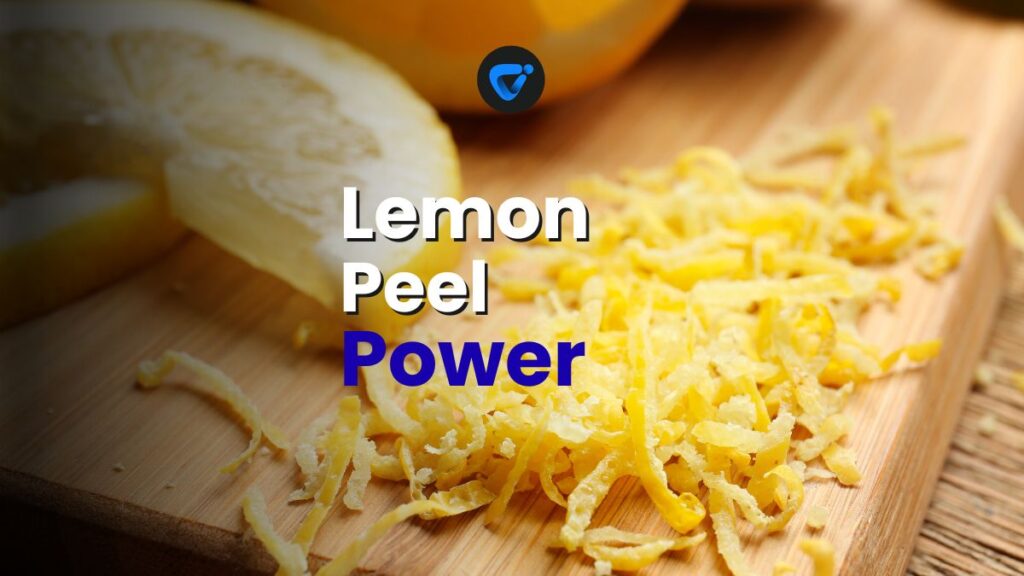
Lemon zest powder brings a bright scent to your powdered cleaners diy. Grind dried lemon peel until fine, then combine with baking soda for a bathroom sink scrub.
Blend citric acid into your favorite formula for shine and enhanced cleaning. This is especially helpful where hard water leaves residue behind faucets or on glass.
| Ingredient | Main Action | Where to Use | What to Try Next |
|---|---|---|---|
| Baking Soda | Gentle abrasive, deodorizes | Sinks, countertops | Mix with lemon powder; store airtight |
| Washing Soda | Degreases, lifts grime | Laundry, tile grout | Pair with borax for laundry boost |
| Citric Acid | Breaks down mineral deposits | Bathroom, glass | Mix with baking soda for fizz |
| Lemon Powder | Adds scent, mild clean | Small surfaces, sinks | Add to dryer sachets |
| Borax | Cleans, deodorizes, softens | Laundry, bathrooms | Mix with washing soda and essential oil |
Craft and Store: Keeping Powdered Cleaner Blends Low-Waste and Ready
Prepping your own blends means less packaging waste and clutter. Focus on airtight storage to keep your powdered cleaners diy recipes effective and convenient to grab.
A classic mason jar with a tight lid makes portioning out cleaner easy. See-through sides reveal exactly how much powdered cleaners diy you have left after each project.
Label Everything: Quick Access and Less Mess
Jot down the recipe and date on the jar. That way, nobody mistakes your powdered cleaners diy for baking supplies—the right label stops mix-ups in their tracks.
Store labeled jars on an easy-to-reach shelf, not under the sink. Grabbing cleaners diy blends from eye level helps you clean as you go, rather than procrastinate.
- Pick airtight glass containers for storability; this maintains freshness of your powdered cleaners diy and avoids moisture clumping the powder.
- Label each jar with a full recipe and creation date; clear info lets you refill with confidence while tracking which blend gets used most quickly.
- Keep jars together in a designated basket or tray; corralling all powdered cleaners diy recipes in one spot simplifies both access and inventory control.
- Avoid sunlight exposure; store in a dark cupboard or closet so powdered cleaners diy stay potent and scents remain strong.
- Use a scoop for dispensing; a dedicated spoon prevents contaminating jars and gives you consistent results each time you mix and use these solutions.
Starting with just one or two versatile blends cuts down prep time and lets you perfect your technique before expanding your powdered cleaners diy routine.
Prevent Caking: Silica Packs and DIY Drying Tricks
Place food-safe silica packets in the lid of each jar to soak up stray moisture and keep all powdered cleaners diy blends free-flowing for months.
Alternatively, a folded square of parchment paper placed on top of the blend acts as a basic moisture barrier. Replace monthly for best results.
- Add dry rice grains to the container; this absorbs unwanted humidity and keeps texture light in your powdered cleaners diy blend.
- Store your blend in a low-humidity area; laundry rooms and pantries, not near hot dishwashers, help powdered cleaners diy survive summer.
- Stir or shake the jar occasionally; this redistributes any small clumps that might try to form at the bottom of powdered cleaners diy containers.
- Keep containers closed between uses; quick open-and-close habits really extend freshness and utility of every powdered cleaners diy recipe.
- Choose wide-mouthed jars to make cleaning the inside easier and ensure you never waste time fighting residue or stuck powder.
Paying attention to storage details means you’ll spend less on replacements, and you’ll enjoy several batches of powdered cleaners diy over time with zero waste.
Blend Like a Pro: Mixing Steps for Effective Powdered Cleaners DIY Recipes
Mixing order impacts performance for most powdered cleaners diy solutions. By following a tested process, you maximize cleaning power and streamline your routine.
This section walks through a dependable mixing routine so each batch comes out clump-free and ready to work, whether you’re cleaning tile or laundry stains.
Layer and Blend for Maximum Evenness
Add coarser materials—baking soda, washing soda—first, then sprinkling in finer powders like citric acid or clay. This sequence prevents dust clouds while pouring and stirring.
Mix using a fork or whisk, not your hands. The tool aerates and combines the blend, while fingers can cause clumping by transferring body heat into the powder.
Test a small pinch with damp paper towel. It should spread smoothly, not ball up. Adjust proportions if needed before making a full jar of powdered cleaners diy.
Add Scent Boosters or Mild Essential Oils
For a signature touch, add five drops of essential oil per batch. Strong scents like lavender, tea tree, or orange provide freshness without overpowering the core recipe.
Sprinkle the oil onto the powder’s surface, then mix thoroughly. Don’t pour oil in a single spot; this avoids wet clumps and keeps your powdered cleaners diy light and fluffy.
Always store oil-infused blends a day before first use. Letting them “rest” yields a more uniform fragrance and prevents accidental overuse of your favorite scent.
Use by Area: Orientation for Kitchen, Bath, and Laundry Applications
Knowing exactly where to apply your powdered cleaners diy lets you target messes effectively. Regional use avoids damaging surfaces and keeps cleaning safe for all household members.
See which formula fits each kind of job. Just like a cook uses different knives for bread and produce, the right powder tackles the grime you see every week.
Kitchen Counter, Sink, and Appliance Cleaning
Spread a teaspoon of baking soda-based powdered cleaners diy across counters, let it sit for five minutes, then wipe clean with a damp cloth.
For stained cutting boards, sprinkle a thin layer, then scrub gently with a damp brush using slow circles—like cleaning a chalkboard—before rinsing with water.
Appliances collect sticky residue. Dust washable surfaces with your blend, then wipe with a sponge dipped in warm water for grease removal and odor control.
Bathroom Grout, Tile, and Tub Touch-Up
Apply a washing soda and citric acid blend to grout lines, tamp down lightly with a toothbrush, and let it fizz for ten minutes before scrubbing along the seams.
Bathe stubborn tub rings in a circle of powdered cleaners diy; the combined granules and acid tackle soap scum better than creamy pastes.
For faucets and fixtures, mix in a few drops of lemon oil and buff dry with a microfiber cloth to prevent water spotting and maintain polish.
Laundry Pre-Treatment and Deodorizing
Add two tablespoons of borax, baking soda, and a touch of lemon powder to your laundry drum before adding clothes. Run as usual for fresher loads and built-in fabric softening.
Treat underarm or collar stains by sprinkling a dampened spot with powdered cleaners diy, then scrub gently and wash as normal for brighter whites.
Deodorize athletic shoes by dusting the inside, shaking out powder before wearing for clean-smelling sneakers that last longer between washes.
Routine Matters: Establishing Easy Habits for Consistent Use and Refills
Scheduling refills and use into your regular cleaning routine ensures you always have fresh powdered cleaners diy on hand, leading to better results and less waste.
Consider setting a recurring monthly reminder to mix and inspect all powdered cleaners diy jars, ensuring no blend lingers unused at the back of a shelf.
Involve the Family: Delegate and Teach
Keep a chore card listing which powdered cleaners diy formula to use for each room. Place cards on the cleaning basket for easy reference when new helpers pitch in.
Assign specific containers to family members, like “Dad’s Sink Scrub” or “Laundry Boost for Teens,” to boost engagement and responsibility.
Encourage everyone to report when they finish the last scoop so jars are topped up before the next cleaning session. Accountability keeps your routine smooth.
Quick Habit-Builder Scripts and Rewards
Pair restocking your powdered cleaners diy with another routine—like brewing coffee. Tap a note to your French press: “Refill Cleaner Today,” then reward yourself after both tasks.
Set up a “clean jar day” on the family calendar. Everyone brings jars for refill and gets a sticker for consistency. Small celebrations make it fun while reinforcing the system.
Repeat reward language aloud—“We cleaned, we refilled, we’re ready!”—to motivate yourself and signal to kids that refilling is a completed, celebrated chore.
Customize Your Clean: Tailoring Powdered Cleaners DIY to Allergies and Preferences
Making your own blends means total ingredient control. This matters a lot for those sensitive to scents or prone to skin irritation from certain substances in commercial powders.
Substitute arrowroot powder for talc in sensitive homes, or avoid borax if allergies run in your family. Always test powdered cleaners diy blends on a small, low-profile patch first.
Scents and Add-Ins: Personalize Safely
Use pure essential oils instead of store-bought fragrance blends, which may hide allergens or undisclosed additives. Patch test on wrist to ensure compatibility with your powdered cleaners diy.
Add food-grade dried herbs—like lavender buds or rosemary—to visually differentiate jars and enhance scent without synthetics. These also discourage pests or critters from tampering with stored powders.
Embrace Simplicity: Enjoy the Benefits of Powdered Cleaners DIY
Throughout this guide, we’ve explored home-crafted powders, storage solutions, and real-life routines that make powdered cleaners diy approachable for almost anyone.
By designing blends that suit your needs, you reduce waste and sharpen your cleaning workflow, using natural, transparent ingredients chosen specifically for your home.
Stick with powdered cleaners diy habits and you’ll find upkeep feels less stressful, storage gets easier, and every jar tackles grime without compromise. Keep your shelves simple and your conscience clear.

Quick Daily Bedroom Reset in Under 15 Minutes
Transform your space fast! Follow this 15-minute daily bedroom reset to keep things tidy, calm, and clutter-free.