
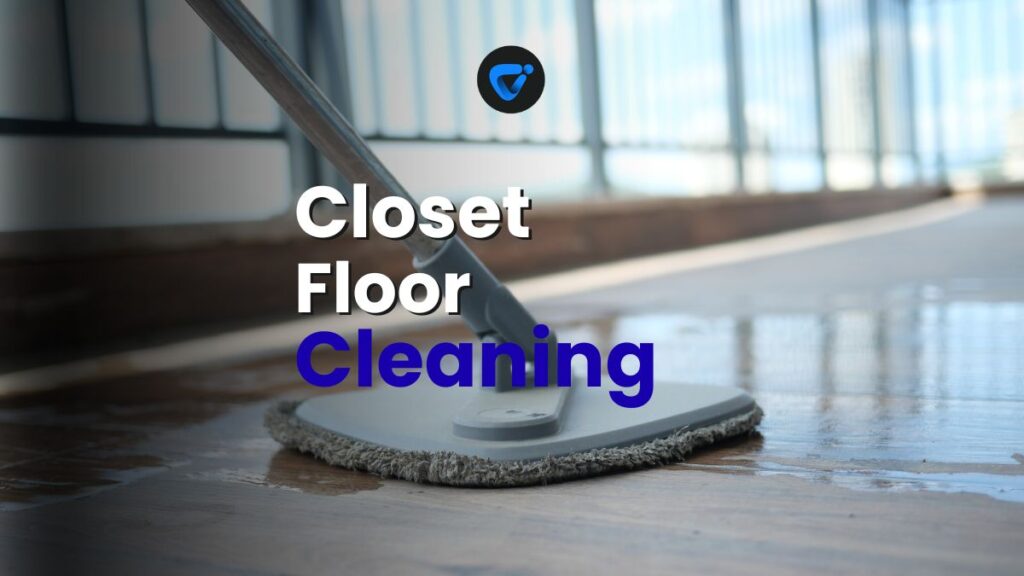

Your closet sees more action than you think—dust piles up, shoes leave tracks, and little pockets of dirt find their way in. Staying on top of closet floor cleaning doesn’t just keep things tidy; it also preserves your flooring over time.
When shoes track in dust or residue, leaving it unchecked can cause lasting marks or even attract mold. A well-maintained closet is a simple but effective step toward a cleaner home environment.
This guide covers what to do, how to do it, and why closet floor cleaning is worth putting on your weekly to-do list. Let’s dig into actionable strategies and examples.
Sink Stopper Cleaning and Seal Check
Conquer slow sinks for good. This guide covers real-world sink stopper cleaning, fast seal inspections, and easy tools. Get a tidier kitchen and bathroom starting today.
Set a Non-Negotiable Routine to Limit Floor Buildup
Scheduling regular closet floor cleaning creates visible results in less time. Consistency transforms a daunting chore into a short, manageable task every week.
Picture a busy Monday morning: having a clear route in your closet is a subtle win that speeds up your routine and starts the day calmly. Commit to five minutes each week.
Calendar Reminders Streamline Cleaning Habits
Open up your phone calendar and set a reminder for closet floor cleaning every Sunday. Treat it like an appointment—no last-minute skipping, no excuses.
“Five minutes for my closet,” you’d say, standing by your door and hearing the alert. Action follows habit; reinforce this until it’s second nature.
If possible, tie the cleaning to another habit, like laundry folding. This double-association nudges you to finish both tasks in one tidy loop.
Visual Triggers Boost Accountability
Store a small handheld vacuum or duster in your closet so it’s always within sight. When you change shoes, the tool prompts an immediate swipe for closet floor cleaning.
Use a bright Post-It, stuck inside the closet door, with a cheerful reminder: “Clean floor equals happy start!” It’s a cue that works subconsciously.
Pair the visual cue with a reward: after you clean the closet, enjoy a cup of coffee or a quick walk. Positive reinforcement cements the activity as part of your routine.
| Frequency | Tool Needed | Time Required | Best for… |
|---|---|---|---|
| Daily | Microfiber duster | 2 minutes | Light dust, shoe prints |
| Weekly | Handheld vacuum | 5 minutes | Crumbs, accumulated lint |
| Monthly | Mop or wet wipe | 7 minutes | Sticky marks, seasonal dirt |
| Seasonal | Deep cleaning spray | 15 minutes | Persistent stains, odors |
| As Needed | Lint roller | 1 minute | Pet hair, fabric fuzz |
Choose Tools and Products to Match Floor Types and Messes
Picking the right tools for closet floor cleaning makes the job faster. Not all product-label promises fit your closet’s floor material.
Laminate, hardwood, and carpeted closets need tailored solutions. Using mismatched techniques leads to unnecessary wear, so attention to material is key.
Laminate and Hard Floor Tips
A microfiber dust mop glides smoothly over laminate. For shoe residue, use a diluted vinegar solution. Test on a discreet patch before full use to avoid streaks.
If you notice muddy tracks, let them dry first. Gently lift debris with a plastic spatula before mopping. This prevents deeper scratching and excess water seepage.
- Grab a dedicated closet mop for smaller spaces—oversized mops may bump shoe shelves or snag corners, risking cosmetic floor damage.
- Apply a neutral floor cleaner every few weeks, diluted as instructed. This prevents chemical buildup and extends the life of sealants or coatings.
- Do not use standard dish soap solutions on laminate, as even a little too much can cause swelling, curling, or softening. Stick with targeted floor formulas.
- If anything feels sticky, spray and wipe with paper towels immediately, before it has time to harden or stain the surface under your shoes.
- Inspect weekly for wear points, especially where shoes rest daily. Slide a felt pad under heavy shoe racks to spread pressure and defend against dents.
A quick once-over with a dry mop between major cleanings maintains a dust-free appearance and saves effort over time. Small interventions keep closet floor cleaning easy.
Safe Carpet Cleaning for Closet Floors
Carpeted closet floors trap more dust and residue from daily shoe changes. Use a portable vacuum with strong suction set on low-pile.
If you spot ground-in dirt, agitate gently with a carpet brush, moving in consistent directions. This fluffs fibers and loosens hidden soil with little effort.
- Spot-clean immediately if shoes drop mud or makeup. Blot with a white cloth—never rub, as this can embed grime and damage carpet strands deeply.
- Sprinkle a small amount of baking soda before vacuuming to neutralize stale odors accumulating between regular closet floor cleaning sessions.
- For deeper refreshes, use a portable steamer but protect baseboards with towels. Quick steam cycles rejuvenate appearance without over-wetting or saturation.
- If fibers begin looking matted, lift with a specialized carpet rake after vacuuming. Work one square foot at a time for even reshaping.
- Ensure closet doors remain open post-cleaning so air circulation speeds up drying and prevents mold under shoes or organizers.
A dedicated mat at the closet entrance intercepts extra dirt and makes weekly closet floor cleaning much more manageable, especially in high-traffic homes.
Use Preventive Moves That Save Time and Reduce Dirt
Small, consistent tweaks to shoe management significantly reduce closet floor cleaning needs each month. Each adjustment targets real-life habits that track in unwanted fuzz or residue.
For best results, layer preventive steps so they work together. Aim for changes you’ll actually remember without adding more work to your routine.
Strategically Store Shoes to Minimize Mess
Install a sturdy shoe rack near the closet entrance. This keeps soles off the primary walking area so the rest of the closet stays cleaner, longer.
Try labeling low shelves for messy outdoor shoes: “Dirty” or “Inside Only.” This narrows down where stubborn dirt lands, controlling how much you need to vacuum or sweep.
If you swap shoes after yard work, stash a mat just inside the door. This catch-all saves you one closet floor cleaning round per week.
Rotate and Air Out Shoes to Avoid Persistent Odor
Plan a regular rotation for footwear. Promptly swap out shoes used for yard work or hiking so lingering dirt doesn’t migrate to other items or surfaces.
Unlace and splay shoes out after use, letting them dry fully before storing. This habit stops dampness and subtle odors from transferring onto carpeted closet floors.
Place a jar of baking soda or cedar blocks near your sneakers. Not only will you catch odors, but the granules also reduce moisture—preserving carpets through every closet floor cleaning.
Apply the 10-Minute Refresh When Time Is Tight
Short bursts of effort keep closet floor cleaning doable, especially when unexpected guests arrive or energy runs low. The 10-minute approach restores order and prevents dust buildup fast.
Have supplies waiting in an over-door caddy for lightning-quick access. Prepped tools mean every second you spend makes an impact, not just a dent.
Step-by-Step Quick Clean Sequence
Grab your dust mop or a portable vacuum. Start at the entry point and work inward. Go slow enough to catch crumbs but fast enough to keep cleaning under 10 minutes.
Blitz cobwebs and corners first—these areas hide the most dust and shoe residue. Once those are clear, sweep or vacuum the entire surface in overlapping strokes.
Toss out excess debris as you go—glance under racks or bins. Do not skip any spots: small overlooked piles return as allergens if neglected.
Add Targeted Touchups for Better Results
Keep disinfectant wipes or all-purpose spray tucked in a basket. Wipe sticky shoe marks or scuff lines after the main cleaning is done for a polished finish.
Roll a lint roller over high-use spots, especially where you see pet hair or fibers that the vacuum missed. Quick touchups between routine closet floor cleaning save you work on deep-clean days.
If there’s a wet spill, blot with paper towels, then dry with a fan or open door to avoid warping floors, especially with laminates or engineered wood.
Check Closet Floor Cleaning Results and Adjust as You Go
Self-review ensures efforts deliver visible improvement that doesn’t fade in a few days. Break the habit of assuming one method fits every closet.
After each cleaning session, inspect all corners and under storage bins for hidden pockets of dust, shoe debris, or crumbs that your first pass may have missed.
Spot Testing for Detergent Safety
Apply any new floor cleaner to an inconspicuous patch behind bins. Wait five minutes. Only proceed if you see no streaking or altered shine.
If discoloration appears, switch immediately to a gentler, pH-neutral option to avoid further marks. Personalize products for every unique closet space.
Run a dry cloth over the same spot a day later to confirm there’s no sticky residue. This confirmation gives peace of mind before long-term sloppy habits set in.
Keep Track of Supplies and Recipes to Simplify Closet Care
Ready-to-go supplies eliminate excuses. Store essentials on a high closet shelf or an over-door pouch. Check the kit monthly so closet floor cleaning is always efficient.
Rotate products seasonally—swap floor cleaning sprays after winter slush or summer sand. Standardize recipes for mop solutions tailored to your closet surface.
- Stock up on microfiber cloths. These outlast paper towels, pick up more dust, and are machine washable—saving money with each use.
- Buy one handheld vacuum or mini dustpan, labeled clearly for closet use only. This ensures it remains accessible and uncluttered by other household chores.
- Keep an all-purpose spray and essential oils for scent. Use a few drops of tea tree oil to keep odors in check as part of regular closet floor cleaning.
- Leave a chart in your cleaning kit noting last deep-clean dates, newly discovered stains, or product switches. This tracking system avoids accidental product repeats or missed spots.
- Refresh shoe mats every two to three months. Shake them outside, scrub, and air dry fully to keep grit or moisture from transferring back inside.
Periodic inventory resets prevent scatterbrained moments right before you want to tidy up. An organized closet makes weekly cleaning far less frustrating.
Make Cleaning a Shared Household Habit
Enlisting household members multiplies results. Shared responsibility speeds up closet floor cleaning, keeps everyone invested, and prevents missed tasks when life gets hectic.
Assign roles based on strength or preference: “You vacuum, I’ll dust the baseboards.” Rotate assignments each month for fairness and to keep routines fresh.
Empower Kids and Teens With Clear Checklists
Attach a simple printed list to the inside of the closet door: “1. Take out shoes. 2. Dust and vacuum. 3. Check for marks. 4. Wipe up messes. 5. Replace shoes.”
Use vivid stickers or fun markers for completed tasks. Kids like visual progress and rewards; these nudges keep the closet floor cleaning habit enjoyable and memorable for them.
Let teens personalize their own supplies, such as picking a favorite scent for cleaning spray. They’re more likely to follow the routine if it feels empowering rather than a chore passed down.
Stay Consistent for Fresh, Functional Closets Year-Round
Every closet floor cleaning session builds toward a space that looks inviting and feels organized. A little effort translates to fewer stains and easier outfit planning week after week.
Making this task automatic increases harmony at home, saves time every morning, and preserves both the structure and appearance of your closet flooring.
Whether you’re tidying for visitors or seeking daily calm, closet floor cleaning supplies small rewards with big returns. Stick to the habits, adjust as seasons shift, and enjoy a cleaner closet every day.

Quick Daily Bedroom Reset in Under 15 Minutes
Transform your space fast! Follow this 15-minute daily bedroom reset to keep things tidy, calm, and clutter-free.