
Few things are as bothersome as cabinet doors that don’t quite line up. Suddenly, your kitchen or bathroom looks worn despite fresh paint and neat counters. Half-open doors create shadows and the uneven edges tug at your attention, especially when aiming for a tidy aesthetic.
Misaligned cabinets go beyond looks—they hinder organization and daily use. Dishes don’t sit flush, fingers catch on sticking edges, and the frustration grows, making cabinet door alignment more than a cosmetic fix.
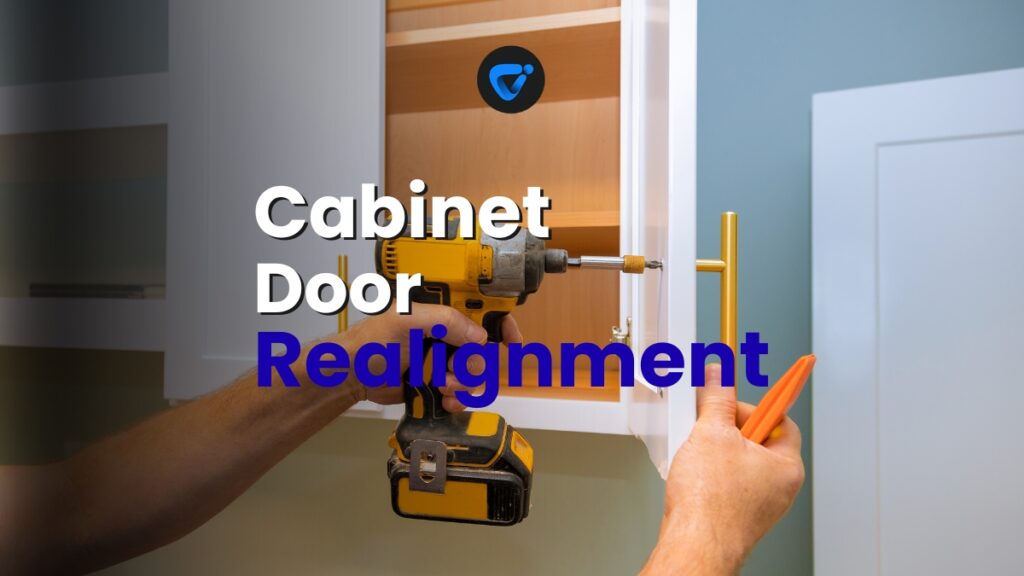
Explore this complete guide on cabinet door realignment without power tools. You’ll find step-by-step instructions, actionable lists, and relatable tips that help restore functionality and peace of mind.
Pinpoint Hidden Causes for Crooked Cabinet Doors Right Away
Identifying what’s throwing off your cabinet door alignment is the essential first move. Focused troubleshooting reveals underlying issues you might not notice at first glance.
Start by inspecting each door for visual cues. Look for wider gaps, high corners, or hinges that seem strained. A clear assessment saves time on trial and error.
Track Everyday Habits That Weaken Cabinet Structure
Slamming doors or hanging heavy items inside can gradually shift alignment. When you notice rattling or gaps, consider these possible stressors your cabinets endure each day.
Imagine someone yanking a door by its top edge. Over months, this habit stretched screws and subtly twisted hinges—leaving the door askew.
To stop recurring misalignment, remind yourself and family to open and close doors gently, especially if you see creeping gaps or loose movement.
Troubleshoot Misalignments Linked to Humidity and Temperature
Seasonal moisture can cause wooden cabinets to expand and contract. If doors were straight last winter but look off now, swelling may have pushed them out of line.
Touch a warped door. If it’s slightly bowed or sticky, adjust your realignment plan to allow room for more seasonal changes, ensuring lasting results.
Addressing climate-driven shifts means realigning doors in a neutral season—not peak summer humidity or dry winter spells for your region.
| Possible Cause | Visual Clue | Quick Test | Next Action |
|---|---|---|---|
| Loose Hinge Screws | Gap at hinge edge | Gently wiggle door while open | Tighten screws with manual screwdriver |
| Worn Hinge Holes | Door drags or sags toward bottom | Lift door, feel for excessive play | Add matchsticks and glue, reinsert screw |
| Humidity Swelling | Door scrapes or sticks | Check edges for raised grain | Attempt realignment during mild weather |
| Misplaced Hinges | Uneven spacing between doors | Inspect hinge placement side-to-side | Loosen, adjust, and retighten hinges |
| Physical Impact | Bent or warped door | Check for irregular shape or angle | Reshape or replace door if needed |
Align Without Power Tools Using Simple Sequences
Manual realignment relies on steady hands and reliable steps. Sharpen your process with repeatable actions that give predictable improvements to cabinet door alignment.
Every adjustment builds confidence. As you see gaps vanish and corners match up, the benefits of patient, tool-free tweaks become obvious.
Set the Cabinet Box as Your Baseline
Align your cabinet doors by first ensuring the cabinet box itself is square and secure. Opening both doors wide, sight down the top and face.
If the cabinet frame is visibly warped, solve this issue first. Tapping frames into place with a wooden block makes everything you do next far easier.
- Open all doors fully, eye upper and lower edges for gaps, and make a note for future reference—this orientation check prevents chasing invisible issues.
- Use a small carpenter’s square or even a piece of printer paper, folded at a right angle, to check cabinet corners—this gives a reliable starting point for hinge adjustments.
- If the box is out of square, gently tap corners inward with a block and mallet, protecting the finish—joint movement here saves labor later in the alignment steps.
- Hold steady pressure while hand-tightening corner screws. Slow and controlled turns ensure the box doesn’t twist and lock in new errors.
- Double-check cabinet box level with a bubble level placed on the top edge. Subtle tilts may cause doors to swing or not close flush.
Remember, a true frame helps both the upper and lower cabinet door alignment hold steady over time, reducing future adjustments.
Adjust Hinges Gradually and Securely
Working by hand, you’ll align misbehaving cabinet doors without risking over-tightening or damage that power tools sometimes cause. Steady pressure is your ally.
Loosen hinge screws just enough to shift the door. Slight lifts or nudges—using fingers or a wooden wedge—give you new door positions with minimal effort.
- Test top, middle, and bottom hinge tightness on each door; prioritize the ones that feel loose or show gaps, as these hold key positions for overall alignment.
- Add a matchstick coated with wood glue into stripped screw holes, breaking it flush—this filler tactic enables the screw to grip better on your next tightening round.
- Retighten by hand, checking for smooth movement and stopping as soon as resistance increases. Over-tightening risks stripping the wood and causing future wobble.
- Tweak door position by lifting or pushing gently while retightening. Confirm that corners align and gaps close before locking down every hinge screw.
- When checking, always close both doors together—side-by-side comparison ensures the center gap is even from top to bottom, proving your progress.
A methodical, gradual approach delivers consistent cabinet door alignment and reduces the temptation to rush or rely on power tools unnecessarily.
Restore Functionality With Everyday Household Items
Reclaim effective cabinet door alignment using only materials found around the house. Everyday items work as creative tools to reset and stabilize problem doors.
For example, wooden toothpicks, sturdy rubber bands, and playing cards all double as practical alignment aids when used with care.
Make Quick Filler Repairs With Toothpicks and Glue
Loose mounting holes threaten ongoing cabinet door alignment. Gather a handful of wooden toothpicks and basic wood glue—a staple fix passed down by generations.
Pinch a couple of toothpicks together and dip them lightly in glue. Insert these into any stripped-out screw hole; break or cut the ends flush with cabinet wood.
Return the screw to its place, tightening by hand. Expect a noticeable improvement in firmness. Toothpicks reinforce the hinge anchor, reducing future play and sagging doors.
Use Household Cards and Bands as Simple Spacers
Credit cards, rewards cards, and even thick business cards act as shims for temporary adjustments. Fold one in half and wedge it at the door’s edge to spot needed adjustments.
Attach a rubber band around the hinge barrel for extra tension. Repeat on both hinges for doors that drift open. Door edges meet more reliably, eliminating gaps and misalignment.
Card and band fixes aren’t permanent but buy you time while planning a deeper alignment. These household improvisations prove surprisingly effective during busy days.
Assess and Prevent Recurring Cabinet Door Alignment Issues
Consistent door alignment prevention starts by looking for common warning signs right after finishing your adjustments. Ready eyes and habits let you catch trouble before it returns.
Check doors each month for loose screws, expanding gaps, or sticky movement. Consistency keeps your cabinet door alignment solid through seasonal changes and everyday wear.
Monitor Warning Signs After Realignment
Notice resistance or a sudden squeak when opening the door? That signals the need to recheck hinge tension and retighten if needed—small checks catch issues before they worsen.
Spotting a widening gap between doors means the cabinet frame may be flexing again. Document changes with quick photos. Comparing before and after shots highlights changes instantly.
- Check for rubbing edges after cleaning sessions; smoothing worn finish early means less friction and longer-lasting alignment between hinge adjustments.
- Touch up exposed screw heads with a screwdriver monthly; quick checks maintain tightness and keep cabinet door alignment consistent week after week.
- Record short video clips of tough-to-close doors to watch how they move—reviewing these clips makes subtle changes easier to notice with time.
- Store a dedicated screwdriver nearby for convenience; tackling small issues immediately prevents slip-ups from building into time-consuming repairs.
- Tighten any handle or knob that wiggles, as loose hardware puts extra strain on hinges, contributing to recurring misalignment. Handle tightening ensures all stress stays balanced.
These quick checks require little time but dramatically extend the lifespan of your precise cabinet door alignment.
Adopt Consistent Habits to Support Lasting Results
Steady, gentle opening and closing routines protect even freshly aligned doors. Teach everyone at home the new rhythm; fewer slams mean hinges don’t loosen as quickly.
Consider adding soft bumpers or pads to inside corners. These absorb force and quietly encourage smoother closes, maintaining crisp cabinet door alignment daily.
- Install felt pads on corners, reducing noise and impact when doors shut; this softens the blow and protects both the finish and alignment.
- Clean hinge barrels monthly to prevent dust buildup—dirt increases friction and causes irregular movement every time the door swings open.
- Rotate which corner opens first regularly; this evens out stress patterns and prevents one hinge or joint from aging faster than others.
- Request visitors or family to grip doors at the midpoint, distributing stress evenly; even minor details like hand placement add stability long-term.
- Set reminders with your phone for a quarterly cabinet door alignment review, building a preventive mindset that minimizes urgent repairs down the line.
With proper upkeep and awareness, you’ll find your cabinet door alignment lasting for seasons rather than weeks.
Troubleshoot Specific Cabinet Door Alignment Problems for Any Room
Side-by-side comparisons help you solve sticky issues faster. Solutions in the kitchen can look different from those for bathroom or laundry-area cabinets, so consider context carefully.
Think of a busy family kitchen with soft-close cabinets versus a small laundry nook with lighter hardware. Each calls for targeted steps that blend nicely with your daily flow.
Quickly Address Sticking Doors and Dragging Edges
When doors drag, feel for tightness along the hinge. Remove small debris with a cloth, then slide a card between door and frame as a temporary shim.
In a bathroom, humidity can swell the wood. Wait until mid-afternoon when moisture drops, then attempt gentle manual realignment, making sure to loosen screws first.
If vibration from washers shakes laundry cabinets, retighten screws monthly. Add anchor hardware for extra stability, balancing alignment across busy and quiet spaces.
Sync Multiple Doors for Uniform Gaps and Visual Appeal
For two-door cabinets, close both simultaneously and check the center gap from above and below. Use coordinated lifts or nudges to balance the space on top and bottom.
Stand back and assess alignment with distant items—like countertop lines or neighboring cabinets—so visual harmony cues you in on adjustments still needed for a consistent look.
Neighbors helping? Assign one to hold a straight edge horizontally while you tweak doors vertically, keeping your hands free and errors to a minimum during final alignment checks.
Keep Cabinet Doors Level and Reliable Over Time
Tackling cabinet door alignment without power tools returns organization and visual order to your home. Each successful realignment step makes daily routines smoother and more enjoyable.
Proactive habits and monthly checks keep misalignment from quietly creeping back. Clear, confident fixes strengthen both your cabinets’ appearance and your peace of mind.
Set a reminder to review alignment as part of seasonal cleaning. Quick tweaks and gentle handling soon become second nature—ensuring cabinets stay sharp, stable, and efficient for years to come.
Quick Daily Bedroom Reset in Under 15 Minutes
Transform your space fast! Follow this 15-minute daily bedroom reset to keep things tidy, calm, and clutter-free.