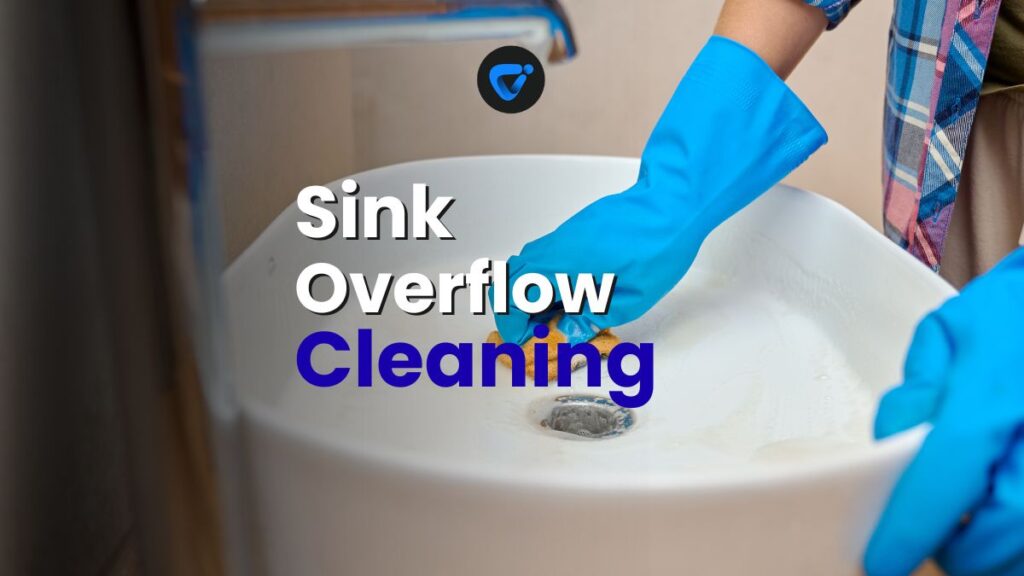

If you’ve ever wrinkled your nose near your bathroom or kitchen sink, you’re not alone. Persistent odors can lurk in the overflow hole even after regular cleaning routines. Luckily, there’s real power in learning smart sink overflow cleaning techniques to stop those smells at their source and keep your sink spotless longer. Simple steps and easy precautions often outperform expensive solutions. Dive in for practical, field-tested ways to make odors disappear and ensure your next sink overflow cleaning is the last one you’ll need for a while.
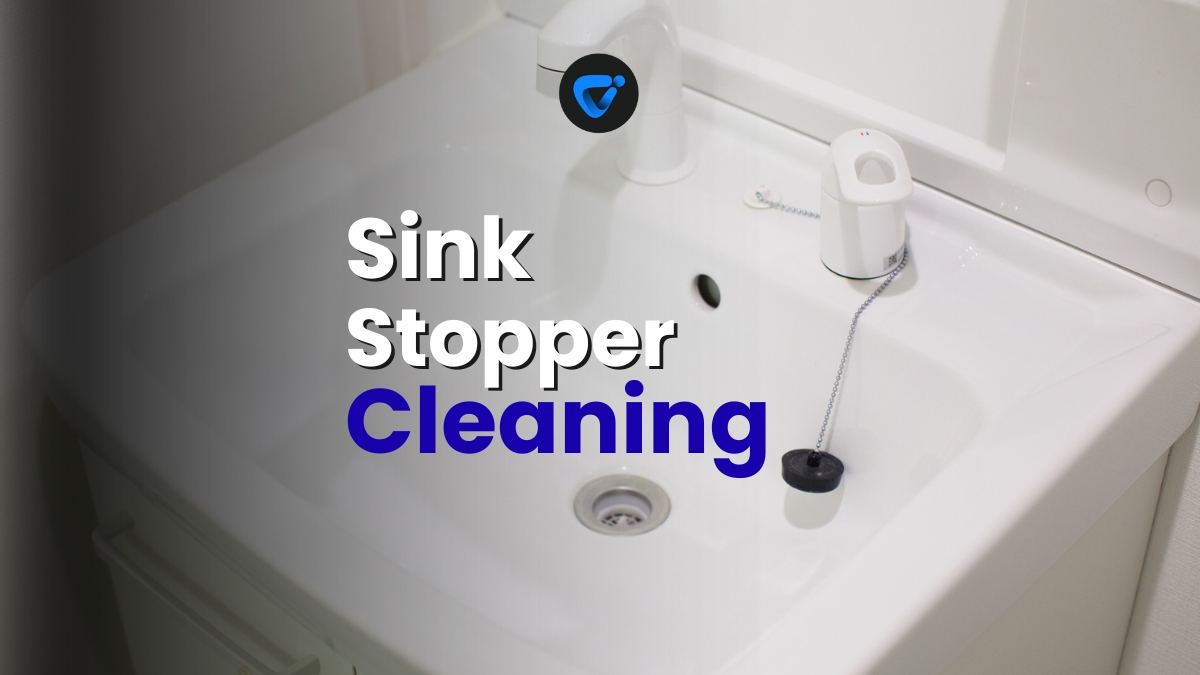
Sink Stopper Cleaning and Seal Check
Conquer slow sinks for good. This guide covers real-world sink stopper cleaning, fast seal inspections, and easy tools. Get a tidier kitchen and bathroom starting today.
A clean overflow hole matters more than you’d think. It does more than prevent accidental water spills; it guards against germs and keeps musty, sour smells from taking over your whole bathroom. Too many homeowners overlook this hidden pocket until the situation turns unpleasant. Sink overflow cleaning is the forgotten step that can transform any deep clean into a truly fresh experience, not just for looks but for real hygiene.
Ready to ditch stubborn odors, protect your home’s air quality, and streamline future cleaning? This guide explores every angle—from daily habits to pro-level fixes—so your next sink overflow cleaning is simple and seriously effective. Let’s start tackling those hidden odors today.
Identifying Sink Overflow Smells Before They Escalate
Spotting a funky sink overflow smell as soon as it starts lets you fix it before things get really unpleasant. It’s easier to act early than struggle later.
Most people wait until guests comment on the odor before investigating. If you find yourself sniffing around the faucet or noticing a subtle mustiness, your nose is already sending the right alert.
Common Warning Signs and Early Clues
Strange smells sometimes start with a faint sourness or a damp, earthy scent. You might spot tiny traces of mildew or see gunky buildup around the drain cover.
When water flows slowly or splashes up unexpectedly during strong sink overflow cleaning, trapped debris could be causing both blockage and smell. Stop problems early by checking the overflow hole weekly.
Lightly tap around the overflow hole. A hollow sound without odor signals a clear path, but a sour scent means buildup is already forming and needs attention.
Scenario: Catching Odors During Routine Cleaning
Imagine you’re scrubbing your sink and catch a whiff as you wipe the faucet. Say out loud, “That’s odd, it’s not coming from the drain.” Investigate the overflow hole next.
If gentle sniffing near the overflow spot confirms it’s the culprit, don’t just mask the smell. Pause your regular cleaning and prepare for sink overflow cleaning right away.
This simple awareness turns routine chores into an early warning system, saving you major hassle later on.
| Warning Sign | What It Indicates | Immediate Action | Takeaway |
|---|---|---|---|
| Faint musty odor | Initial organic buildup | Inspect overflow weekly | Look before smells worsen |
| Mildew spots | Mold growth starting | Use disinfecting cleaner | Visible cues need swift action |
| Slow water escape | Clogging debris inside | Flush overflow with warm water | Clogs breed future odors |
| Splashing at overflow | Partial blockage | Dislodge with pipe brush | Prevent full blockage by acting early |
| Sticky residue | Bacterial colony forming | Deep clean with mild bleach mix | Sticky means bacteria have settled in |
Tried-and-True Methods for Easy Odor Removal
Simple steps make the process of sink overflow cleaning efficient, safe, and manageable. You don’t need fancy tools—just household basics and consistent effort.
Let’s walk through easy routines that address every type of odor, from mild to stubborn, building your confidence along the way.
Baking Soda and Vinegar: Dependable Combos
Start with a tablespoon of baking soda poured straight into the overflow hole. Follow up with a controlled stream of white vinegar to create a cleansing fizz.
This natural bubbling action loosens residue and helps neutralize odors instantly. Wait five minutes before flushing with a strong stream of hot water, then repeat as needed.
- Pour baking soda directly into the hole so powder sits inside the channel; don’t rush the next step, allowing it to settle fully into the crevice.
- Add vinegar slowly to prevent messy overflow; observe bubbling, which signals active cleaning in the hidden passage where grime builds up most.
- Use very hot water to rinse away loosened debris and neutralize any remaining acidity from the vinegar, ensuring a fresh, odor-free smell lasts longer.
- Repeat the process if a mild scent remains, taking care not to overfill and cause accidental splashing onto countertop surfaces around the overflow opening.
- Try adding a quick final flush with a squeeze bottle or turkey baster to target hard-to-reach areas, especially after the fizzing stops.
This exact sequence handles simple cases and prepares the overflow channel for deeper interventions if needed.
Deeper Cleaning When Odors Persist
If the smell returns quickly after cleaning, move to a gentle bleach solution next. Limit bleach concentration: use one tablespoon per quart of warm water.
Dip a flexible pipe brush into the mixture, then twist it carefully inside the overflow hole to dislodge sticky gunk. Wear gloves and rinse well afterwards to clear chemicals out.
- Mix bleach with lots of water for safety so you don’t corrode pipes or breathe harsh fumes; always keep bathroom or kitchen windows open during this step.
- Twist the brush gently and listen for scraping or sticky sounds, which signal active residue coming loose from the inner walls of the channel.
- Flush with warm water multiple times, watching for cloudy or colored water—this is physical evidence you’re removing the main odor cause.
- Never mix bleach with vinegar or ammonia-based cleaners, since dangerous fumes can form; always use plenty of fresh water between different cleaning agents.
- Follow with a final plain water rinse, using a squeeze bottle if available, so no cleaning solution lingers behind to contribute new smells later.
Consistent sink overflow cleaning like this keeps odors away for weeks at a time, especially if repeated monthly or after heavy sink use.
Preventive Habits and Daily Maintenance That Work
Smart preventive steps help you avoid future sink overflow cleaning emergencies. A little daily attention makes deep cleaning sessions much easier down the road.
Think of your overflow hole like a gutters on a house: clear away small debris regularly and you’ll prevent bigger clogs and odor problems.
Quick Daily Swishes
After brushing teeth or washing dishes, fill a cup with warm water and pour it gently into the overflow hole. This swish flushes loose debris before it settles.
Just a few seconds each day keeps sludge from forming and odors from brewing. Simple routines like this add up and extend the time between deeper sink overflow cleaning.
Try a weekly mini-routine: pour diluted dish soap into the overflow, let it sit five minutes, then flush with hot water. This breaks down biofilm so smells don’t return.
Monthly Inspection Checklist
Each month, set a calendar reminder to inspect the overflow hole. Use a flashlight to look for sticky spots, discoloration, or trapped particles inside.
If you spot anything unusual or sense a mild odor, schedule a sink overflow cleaning using the methods above right away.
This proactive habit catches small issues before they turn into big cleaning projects or sources of embarrassment during holiday gatherings.
Building Your Sink Overflow Cleaning Toolkit and Routine
Choosing the right tools transforms deep cleaning from a dreaded chore into a quick, satisfying task. You don’t need specialized products—just household basics and a dedicated routine.
A basic cleaning kit serves you better than impulse-bought gadgets. Start small and add items only if needed based on your sink’s material or past experiences.
Core Tools and Supplies Table
| Tool / Supply | Best Used For | Caution | Frequency |
|---|---|---|---|
| Baking Soda & Vinegar | Odor neutralization, light buildup | Don’t mix with bleach; avoid excess fizz | Every two weeks |
| Flexible Pipe Brush | Physical gunk removal | Use gentle pressure; avoid scratching soft metal/plastic | Monthly or as needed |
| Bleach Solution | Disinfecting, heavy residue | Rinse thoroughly between uses | Every 2-3 months |
| Squeeze Bottle/Turkey Baster | Targeted rinsing | Don’t overfill water, avoid splashing | As needed |
| Dish Soap | Routine prevention | Rinse to remove suds after use | Weekly |
Routine That Works—A Realistic Script
Right after breakfast, pour warm soapy water into the overflow hole while you let dishes soak. Circle back after lunch for a quick rinse. Repeat by habit on busy nights.
Set a recurring phone reminder to run a vinegar flush every other Friday. Mark it as “just three minutes,” to remove friction and make sink overflow cleaning feel easy.
If you notice unusual smells between scheduled cleanings, trust your nose—respond right away so problems never compound or become overwhelming.
What to Skip and What to Prioritize in Sink Overflow Cleaning
Some common DIY hacks do more harm than good. Knowing what to skip saves you costly repairs and keeps your sink functioning at its best.
Test every cleaner in a small, inconspicuous spot, especially if your sink is porcelain or has colored finishes. This simple step avoids accidental staining or surface wear.
- Avoid boiling water directly in the overflow. It may warp or crack plastic piping, especially in older sinks. Stick to hot tap water for flushing instead.
- Never use abrasive brushes or steel wool. Scratches inside the channel create hiding places for new grime, trapping odors and making future cleaning harder.
- Don’t buy heavily scented “quick fix” cleaners. These sometimes mask odors but rarely reach hidden buildup, creating a false sense of cleanliness that doesn’t last.
- Skip mixing homemade enzyme cleaners without testing. Unpredictable reactions sometimes worsen odors or clog the overflow passage with sticky residue.
- Avoid leaving cleaning agents overnight. Prolonged contact with strong chemicals can weaken seals or discolor sink materials, causing more damage over time.
Instead, stick with the proven steps: flushing, scrubbing, and timely habit changes that keep your overflow channel clear and fresh-smelling year-round.
Real-World Scenarios and Advanced Fixes for Persistent Odors
No two cases of sink overflow cleaning are identical. Some situations demand creative troubleshooting, whether you’re in a rental apartment or renovating a vintage home.
If you inherit an old sink with decades of hidden buildup, start slow with mild cleaners, ramping up only if smells persist after two thorough cycles.
Addressing Unreachable Blockages
Stubborn odors sometimes signal a blockage deeper in the plumbing. If repeated rinsing doesn’t clear the smell, try a thin flexible brush specifically labeled for overflow channels.
Twist the brush gently, listening for scraping sounds. As you remove old debris, the odor should begin fading with every rinse.
If resistance persists, a plumber’s snake might be needed. Insert carefully, rotating as you advance. Let gravity aid you—tilt the sink if possible, always working in short bursts.
Apartment Living: Strategies with Limited Tools
If you lack access to a full cleaning kit, adapt everyday items. Use a drinking straw with hot soapy water to flush the overflow hole in bursts for basic maintenance.
An old toothbrush angled near the opening helps remove surface grime where your finger can’t reach. Avoid damaging finishes by being gentle, especially in rental properties.
Repeat these steps weekly or whenever you sense odor returning. Document problems for your landlord if advanced fixes seem needed.
Refreshing Your Routine and Embracing Lasting Results
Consistent sink overflow cleaning pays off quickly. Each cleaning round cuts odors further and reduces future buildup, making every deep clean easier than the last.
Odors don’t have to be part of bathroom or kitchen life. Steady routines and smart habits lead to fresher air and fewer worries all year round.
Whether your sink is brand new or full of history, maintaining the overflow hole is a smart investment in household comfort. Stick to these real-world steps and savor the freshness every day.
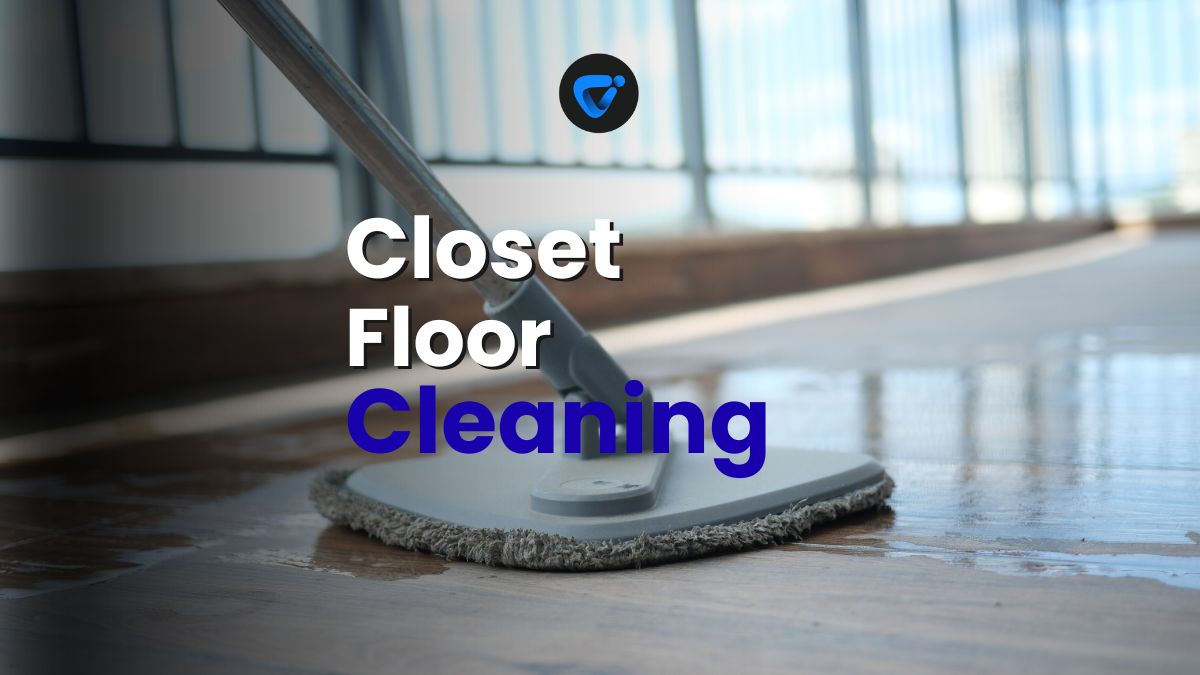
Closet Floor Cleaning for Dust and Shoe Residue
Keep your closet floors clean and dust-free. Learn simple steps to remove shoe residue and maintain a fresher, healthier space.