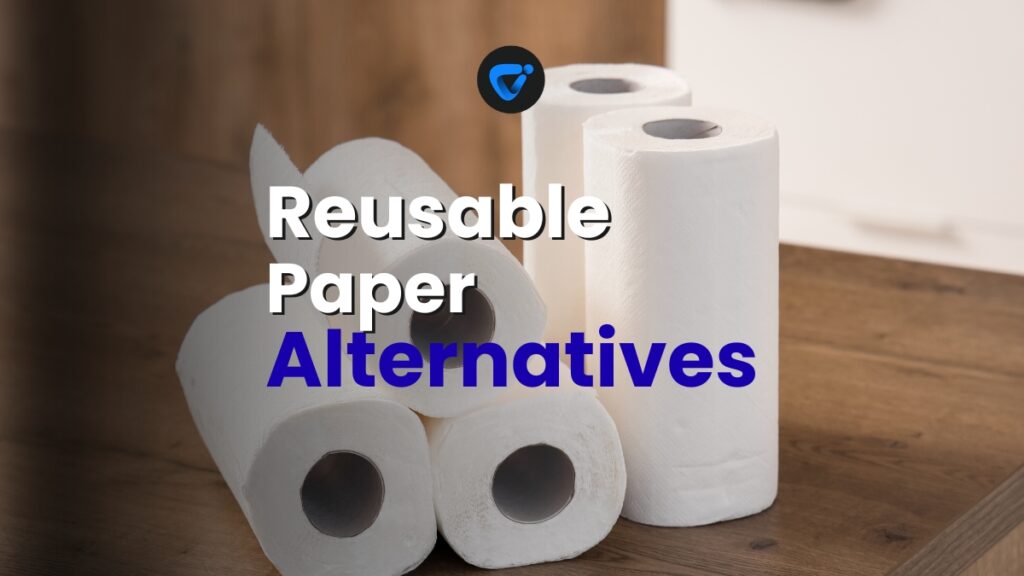

Swapping out a stack of single-use products for reusable paper towels feels like tidying your kitchen drawer: suddenly, everything fits and life gets a little easier.
Paper towels vanish too quickly, fill trash bins, and strain wallets. Their continuous use causes real environmental impact and unnecessary household waste you notice at every grocery run.
If you’d like fewer trips to the store and a more sustainable daily routine, this guide highlights practical, user-tested habits and products for all your reusable paper towels needs.
Build Your Starter Set for Lasting Results with Less Waste
The right starter set saves space and stops impulse paper purchases. Families report learning new rhythms to keep reusable paper towels stocked and handy on the counter.
Start simple: choose a set of eight or twelve towels made of bamboo, cotton, or cellulose blends, so you’ll always have a fresh one ready.
Pick the Right Materials for Your Lifestyle and Schedule
If you prep lots of messy lunches, cotton flannel reusable paper towels handle thick spills and dry in hours. Look for double-layer blends for extra absorbency on high-traffic counters.
Light cooks or studios with art projects favor slim cellulose reusable paper towels. Gentle, fast-drying, and easy to rinse, these shine during quick chores or fast mess pick-ups.
A household that hosts frequent guests often rotates mixed materials. Just separate each type in a basket for designated kitchen, bath, or hobby zones and restock weekly.
Designate Spaces for Easy Grabbing and Quick Returns
Store clean reusable paper towels where you’d instinctively reach for paper: a tall jar, a magnetic fridge holder, or the drawer by your prep area. Make grabbing effortless.
Use a labeled basket for soiled towels beside the sink. This converts habit into action: “used towel, drop it, move on.” Wash weekly to keep up the cycle seamlessly.
If you have kids or roommates, hang a sign above the basket with the exact phrase: “Drop reusable towels here!” Everyone learns and supports the process this way.
| Material | Best Use | Wash Frequency | Next Step |
|---|---|---|---|
| Cotton Flannel | Everyday kitchen messes | Twice a week | Keep a dozen in a drawer |
| Bamboo | Sticky spills, heavier jobs | Weekly | Hang-dry after use |
| Cellulose Sponge | Surface wiping, crafts | Every three days | Rinse thoroughly after each use |
| Microfiber | Windows, mirrors | Weekly | Wash without fabric softener |
| Hemp Blend | Outdoor use/pet care | As needed | Sun-dry for longest life |
Know the Pros, Care Steps, and Mistakes to Avoid
Choosing reusable paper towels gives you healthier counters and fewer musty odors. You’re also cutting down landfill contributions each week—an easy win you’ll see in your trash can.
Laundry routines evolve. Less bulk, more function: many families pair reusable paper towels with a small, dedicated hot wash so sanitizer is never a guess.
Boost Towel Longevity with Smart Wash Habits
Use hot water and simple detergent—never bleach, which breaks down fabric. Adding a half cup of baking soda removes stubborn stains from reusable paper towels instantly.
Air drying on a dedicated rack outside prevents odors and saves dryer cycles. If a towel starts to fray, trim threads instead of tossing the entire piece. Small fixes matter.
- Purchase midweight reusable paper towels for kitchen use—balance absorbency and fast drying to prevent buildup.
- Switch to unscented detergents—avoidable fragrance residues irritate skin and cling to towel fibers.
- Label a fabric bin “dirty towels only”—set clear expectations so everyone contributes to laundry days.
- Clean towels together every four days—saves water and keeps your rotation fresh with minimal lingering stains.
- Pair with a spatula for crumb pickup—this speeds up countertop cleaning and gives towels a longer functional life.
Integrated systems always work best. When everything has its spot, you automatically reduce waste and mishaps. Try setting a calendar reminder for laundry day.
Avoid Common Pitfalls with Simple Routines
Leaving soiled reusable paper towels in a closed bin creates odor. Use a breathable basket and wash promptly—your kitchen will never smell musty again.
Mixing reusable paper towels with regular laundry strains fibers and traps grease. Instead, dedicate a small load or wash by hand after heavy use for better results.
- Never leave wet towels piled tightly—hang or scatter so each one dries quickly, preventing mildew every time.
- Skip fabric softeners—these coat fibers and reduce absorbency fast.
- Pre-treat stains with vinegar—simple sprays before the wash erase most messes, keeping towels bright for years.
- Replace heavily frayed towels immediately—use them as rags for outdoor jobs to get more value with no extra cost.
- Cycle older towels out every two years—this rhythm ensures high-performance, clean-smelling stock at all times.
Consistency turns routine care into lasting convenience. A clear process lets you skip unnecessary steps and spend more time enjoying a cleaner, greener home.
Adapt Daily Chores for Less Trash and More Purpose
Swapping disposable products for reusable paper towels offers hands-on environmental impact—your bin shrinks each month and chores flow more smoothly.
You’ll quickly see which habits feel effortless and which need a small nudge, helping you create smarter systems that stick.
Test Micro Changes for Big Results
For a sticky stovetop spill, grab a microfiber reusable paper towel instead of paper. Wipe in two strong swipes, rinse, and hang. The job is done cleanly and waste-free.
When packing lunches, tuck a reusable paper towel into your bag for snack cleanups. Tell yourself: “wipe, fold, back in the pouch”—the meal ends waste-free, with less mess.
Each habit swap encourages new skills. The next time you host friends, keep two baskets handy for easy towel access and a smooth cleanup routine that makes a visible difference.
Streamline Cleanup with Shared Roles
In busy homes, assign each person one towel for the day. Sarah might say, “Mine’s green—where’s my spot?” This simple role division keeps order easy and towels accounted for.
Regularly restock the clean basket together after dinner, ensuring nobody hunts for missing reusable paper towels the next morning.
If you notice a towel pile getting low, add laundry day to your group’s shared task list—rotation simply becomes part of the week.
Level Up Cleaning: Specialty Towels for Every Room
Bringing specialty reusable paper towels into specific spaces improves hygiene and saves on both time and money.
Choose the right towel for each zone, from glass to bathroom tiles, and you’ll streamline every cleaning session.
Choose Exact Types by Surface and Use
For stainless appliances, use tightly-woven microfiber. The towel’s smooth surface lifts residue without leaving streaks or lint, giving you a showroom shine with one pass.
In bathrooms, flannel reusable paper towels pair well for mirror touchups and faucet wiping—just spritz with diluted vinegar for a near-instant clean.
Outdoor or garage messes like mud or dog tracks call for hemp blend towels. Rinse immediately and sun-dry for the cleanest outcome with the least effort.
Keep Work Zones Stocked and Systematic
Put specific towels where they’re needed most—a labeled cube for glass, a jar for kitchen messes—so nobody mixes types accidentally.
Stack a two-week supply if you have kids or frequent visitors, preventing backup (and stress) during spill-heavy days.
Mark weekly refills on a sticky note or family calendar. This helps everyone remember: no excuses, no forgotten towels, no mid-task interruptions.
DIY Upgrades for Custom Fit and Function
Making your own reusable paper towels lets you tailor size, material, and absorbency to each task in your home.
Customize by repurposing old sheets, t-shirts, or pajamas—turn favorite fabrics into everyday kitchen helpers with just fabric scissors and a zigzag stitch.
Add Snaps, Loops, and Labels for Easy Sorting
Sew small plastic snaps onto one end—these let you roll reusable paper towels on old paper towel tubes for that familiar grab-and-go feel.
Loops help fasten towels on hooks near sinks or counters, signaling which batch gets washed next and where clean ones belong.
Color-code edges by task—green for counters, blue for windows, pink for spills—so everyone grabs the right towel instantly without a guessing game.
Extend Life with Simple Repairs
When a favorite towel frays, trim rough edges and re-sew corners instead of discarding. A quick five-minute fix doubles the item’s useful lifespan and saves you money.
Keep basic sewing supplies handy near your laundry setup. If someone asks, “Can you fix this snip?” offer to patch up the towel right then.
Label a small container for worn-out pieces—use these for outdoors or as pet rags, extending their utility and controlling clutter at the same time.
Elevate Shared Spaces: Community and Gift Ideas
Gift sets of reusable paper towels and care cards to friends, family, or colleagues—especially during housewarmings or holiday gatherings when sustainable swaps are top of mind.
Express the impact with a handwritten note: “Use, wash, repeat—help our community waste a little less each day.” Little reminders support family-wide adoption.
Organize Group Challenges and Track Results
Coordinate a month-long “no paper towels” effort at work or school: set a shared whiteboard tally for every disposable sheet avoided, then celebrate milestones with a small group lunch.
For tight-knit communities, post local tips online: “We refilled our reusable paper towels bin every Friday—join us!” Include before-and-after photos of lunchroom bins to measure progress.
At family reunions, teach kids to fold and stack towels. Their hands-on participation turns new habits into lasting family traditions—plus, cleanup becomes a team effort.
Reflections on Progress: Smarter Cleaning, Less Waste
Switching to reusable paper towels builds cleaner, easier routines and makes trash day less daunting—it’s a habit swap with visible, lasting results for every home.
Every adjustment you make, from smart storage to faster laundry routines, creates more time for family, less clutter, and a lower environmental footprint you actually feel each week.
Remember: each towel is a tiny promise to future generations—small shifts add up. Try a new habit today and enjoy a tidier, more purposeful space tomorrow.
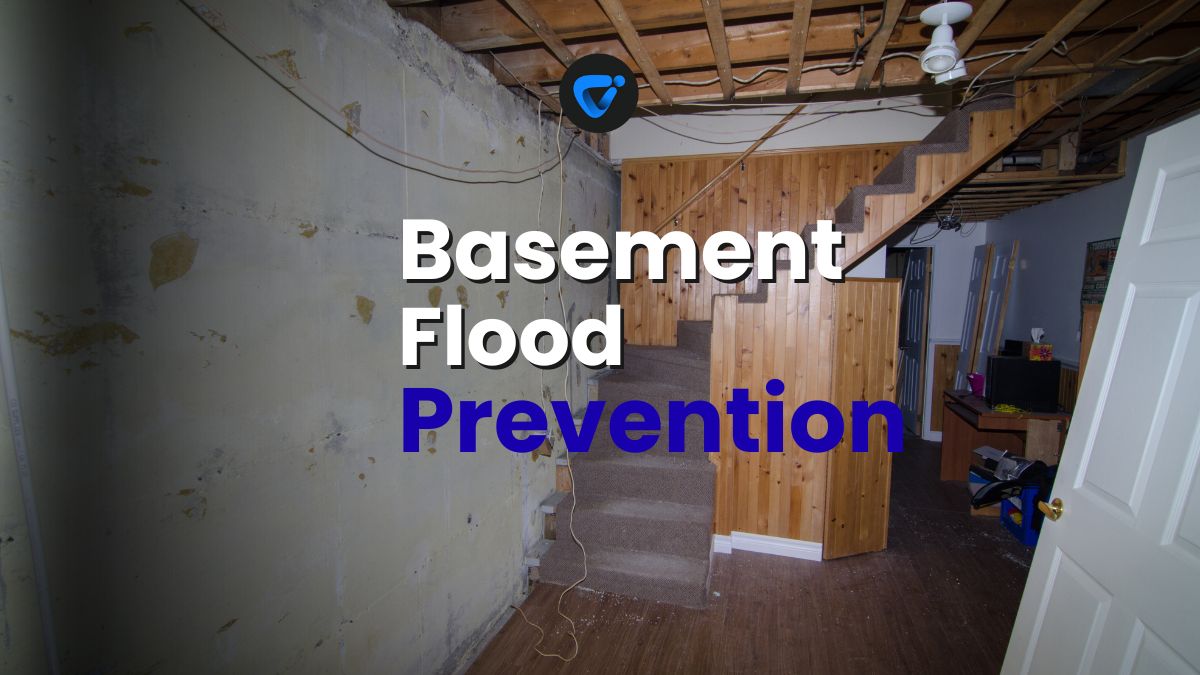
Preventing Basement Flooding
Keep your basement dry! Discover simple upgrades that stop flooding and protect your home from costly water damage.