
Footsteps echo through your hallways, but the air feels clean and gentle. People nod knowingly: low toxicity cleaning brings visible calm and comfort to sensitive households.
When you manage allergies, asthma, or chemical sensitivities, cleaning becomes a balancing act. Safety matters, but so does effectiveness—and that’s why people are seeking reliable, low toxicity cleaning solutions.
Let’s break down actionable, research-based cleaning strategies tailored to folks who want practical results and fewer chemicals in their homes. You’ll find realistic methods you can try right away.
Switching to Soft Ingredients Reduces Irritation During Everyday Cleaning
Swapping harsh cleaners for milder options makes your kitchen and bathroom routines calmer. You’ll experience fewer skin and lung flare-ups. Let’s see which low toxicity cleaning methods truly hold up.
Think of gentle cleaning like swapping scratchy wool for soft cotton. Households that embrace these techniques report fewer health complaints. Start small, then add steps as you grow more confident.
Gentle Degreasers for Countertops and Appliances
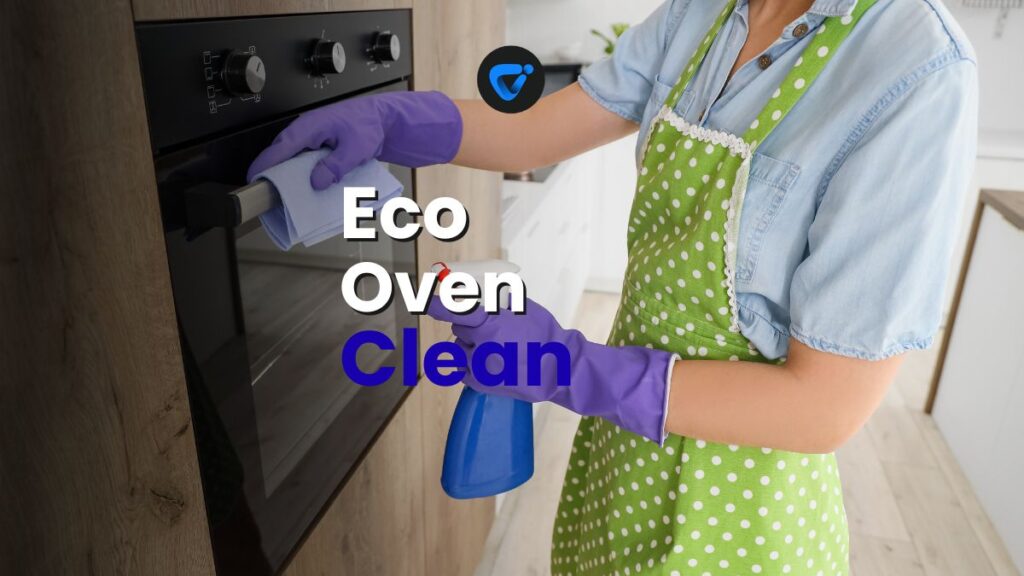
Mix one part vinegar with two parts water in a spray bottle for a kitchen-safe degreaser. Spray on surfaces, wipe with a microfiber cloth, and dry quickly.
If you need extra scrubbing power, sprinkle baking soda onto the area first. Let it sit for a minute, then use your damp cloth. Repeat this low toxicity cleaning step as needed.
Stubborn grease near your cooktop? Apply a paste of baking soda and water, leave it for five minutes, and wipe clean. Finish with a vinegar spritz for shine.
Fragrance-Free Bathroom Refresh
Many bathroom cleaners overwhelm the senses. For a lighter touch, pour hydrogen peroxide (3 percent) into a spray bottle and mist tile surfaces. Wait five minutes; wipe dry.
For toilet bowls, sprinkle baking soda directly inside, then drizzle vinegar over it. Let the fizz work for less than five minutes—scrub, then flush. Rinse hands thoroughly.
After showers, run a squeegee over glass doors. This quick action removes water droplets without added products, helping low toxicity cleaning stay quick and simple.
| Situation | Cleaner Used | Application Method | Practical Benefit |
|---|---|---|---|
| Greasy stove hood | Vinegar-water spray | Spray, wipe, dry | Reduces chemical exposure |
| Bathroom tile mold | Hydrogen peroxide | Spray, wait, wipe | No lingering scents |
| Toilet cleaning | Baking soda + vinegar | Sprinkle, pour, scrub | Minimizes fragrance |
| Glass shower doors | Squeegee and water | Squeegee after use | Product-free maintenance |
| Refrigerator shelves | Baking soda paste | Spread, wait, wipe | Gently lifts residue |
Eliminating Aggressive Disinfectants by Relying on Physical Removal and Simple Solutions
You can ditch strong disinfectants by using elbow grease, plain soap, and water. People with sensitivities report fewer reactions after adopting this low toxicity cleaning principle.
Scrubbing and wiping physically remove most contaminants, while castile soap or diluted dish soap finishes the job. Water temperature and contact time matter more than strong chemical scents here.
Proper Scrubbing Protects Your Skin and Lungs
Use soft, reusable cloths for wiping. Rinse regularly during cleaning sessions. This technique, essential in low toxicity cleaning, means your skin contacts fewer harmful residues.
Always rub surfaces in smooth, straight lines rather than vigorous circles—slower motions limit airborne irritants. Watch for visible residue to guide your scrubbing.
- Choose natural or biodegradable cloths; they break down in the environment and protect sensitive skin after repeated washes.
- Use separate cloths for kitchen, bathroom, and general use; label each with a corner knot or color.
- Launder all cloths weekly using fragrance-free, low toxicity detergent. Hang-dry in sunlight if possible for an extra bit of freshness.
- If you need disposable options, select unbleached, fragrance-free paper towels—read the product label for clear ingredients and avoid mystery chemicals.
- Keep a caddy with clean, dry cloths near main cleaning areas for easy grab-and-go, cutting down on procrastination and ensuring consistent results.
Once you’ve finished, wash your hands thoroughly with mild soap. This final step ensures that you don’t transfer lingering particles elsewhere.
Storing Your Tools Safely Reduces Cross-Contamination
Place dry, washed cloths in open bins with mesh sides—this limits trapped moisture and lowers mold risk. Add a sticky note with the date of first use before closing the lid.
If you notice musty smells, rewash in hot water and dry outdoors. Rotating your cleaning tools builds resilience into your low toxicity cleaning routine and keeps supplies ready.
- Keep separate caddies for bathrooms and kitchens; it minimizes mistaken swaps and lets everyone in your household follow clear routines.
- Use waterproof bins (not cardboard) for long-term tool storage; wipe out bins monthly with diluted vinegar so bacteria doesn’t build up.
- Hang cleaning brushes to drip-dry, which maintains brush shape and keeps bristles more hygienic.
- Set digital reminders for tool replacement dates. Sensitive households benefit when old cloths get rotated out regularly.
- Choose quick air-drying locations, like a laundry shelf near a window or an outdoor rack—consistent airflow reduces the chance for odor buildup or mold growth.
Following these steps, your home can feel safer—and low toxicity cleaning will start feeling like second nature, not a hassle.
Creating Routines That Signal Clean—Not ‘Chemically’ Clean
Consistency in your cleaning makes your home visibly clean without harsh chemical traces. Routines signal safety to sensitive household members, allowing relaxation after every chore.
Weekly, Visible Steps Anchor Household Confidence
Announce your routine clearly: “I’ll wipe surfaces now, vacuum at noon.” Predictable steps help everyone anticipate break times and reduce surprise reactions during low toxicity cleaning.
Post daily or weekly schedules on your refrigerator, noting low toxicity cleaning details (“vinegar for sinks Thursday,” “baking soda for tubs Saturday”). Use a bold-colored pen or sticky note.
Pair routines with welcoming sensory cues. Open a window during or after cleaning; let in fresh, unscented air, so others never mistake the smell of ‘clean’ for irritants.
Signals for Shared Spaces Build Trust
Before tackling shared spaces, announce: “I’ll use the unscented cleaner here.” Pause if someone asks you to wait; adapt schedules rather than hurrying, which matters in low toxicity cleaning routines.
Consider gentle music or shared cues (“music off means the bathroom’s done”), so highly sensitive people can plan their movements with ease—even from the next room over.
Encourage feedback. Ask, “Does the air feel okay?” instead of assuming. Listening and adapting strengthens trust and makes ongoing low toxicity cleaning a shared success.
Conscientious Product Label Reading Defines Safe Cleaning Choices
Commit to reading every cleaning product label before buying or using it. Knowing ingredient lists ensures your low toxicity cleaning stays reliable for sensitive household members.
Learn what common trigger ingredients look like on labels. For example, avoid ‘fragrance’, ‘bleach’, ‘quats’, and anything ending in ‘-sol’ for safer results.
Prioritize Third-Party Certifiers
Look for seals like “Safer Choice,” “Green Seal,” or EPA “Design for the Environment.” This practice guarantees you’re reinforcing low toxicity cleaning with the right products, not just trusting brand promises.
Compare two similar products at the store by flipping both over and reading every line. Put the one with fewer ingredients and no warnings in your cart.
If an ingredient makes you pause, search for it before purchasing. Sometimes, ingredient transparency alone steers you toward better low toxicity cleaning decisions.
Scenario: Teaching a Child to Read Labels
Invite a younger household member to help pick out cleaners. Say, “Help me find the bottle with the shortest list—can you count the ingredients?”
Read out loud as you go. Kids who join in on low toxicity cleaning label checks grow up more attuned to their own comfort and safety.
Point out problem triggers by saying, “We skip bottles with ‘fragrance’ or ‘bleach’—these can make our noses itchy.” Real-life explanations provide context, not just rules.
Low-Toxicity Cleaning and Strong Odor Control Solutions for Trash and Recycling Areas
Say goodbye to overpowering masking sprays in your trash or recycling area. Adopt smarter low toxicity cleaning tricks that remove smells at the source and offer lasting, gentle comfort.
Treat odor as a symptom—not the root. Sensitive households can try natural absorbers to freshen trash bins and recycling centers for low toxicity cleaning that truly works.
Controlling Odor With Household Staples
Sprinkle baking soda at the bottom of bins after each bag change. Its porous structure absorbs lingering smells. Repeat on recycling day before taking everything out.
Add a handful of unscented, activated charcoal to a small mesh bag. Drop it in the trash can; replace monthly. Charcoal traps odor molecules for stronger, ongoing low toxicity cleaning.
Scrub bin interiors monthly using hot water, mild castile soap, and a long-handled brush—skip perfumed detergents. Air dry lids in direct sunlight for a bonus sanitizing effect.
Natural Triggers vs. Masking Odors
Some people sprinkle essential oils on cotton balls for freshening. For sensitive homes, skip oil scents and focus on vinegar and baking soda combinations instead.
Immediate action—tossing food waste promptly and rinsing containers before recycling—prevents problems before they start, a true hallmark of low toxicity cleaning.
Households committed to low toxicity cleaning set a weekly or bi-weekly reminder for trash area checkups, avoiding the need for strong chemical deodorizers later.
Reusable Paper Towels as Sensible, Low-Toxicity Cleaning Tools
Cloth towels—washed regularly and used wisely—offer a sustainable, practical base for low toxicity cleaning, especially in sensitive homes. Pick soft, lint-free varieties that don’t shed fibers.
Choose neutral colors so staining is quickly visible. That way, towels get replaced before contamination builds up. Store dry in an airy bin in the kitchen or laundry room.
Routine Management for Reusable Cloths
Assign a day of the week for towel collection. “Friday morning is wash day” signals the whole household; low toxicity cleaning routines thrive on predictability.
Spot clean with hot water after tough messes, then hang to dry immediately. This stops mildew and cuts down multistep washing cycles.
Avoid fabric softeners in every load. Residue can collect and irritate skin, defeating the purpose of low toxicity cleaning.
Replacing Single Use Towels with Confidence
Keep a labeled bin for cloths that need stain treatment. As soon as a towel’s edges fray, retire it to dusting duty.
In group settings (“I need a fresh towel from the basket”), clear labels and reminders help everyone build low toxicity cleaning habits with minimal disruption.
After one or two weeks’ trial, people usually report easier routines and fewer skin complaints, making reusable towels an easy low toxicity cleaning switch.
Low-Toxicity Cleaning Methods for Sensitive Households: Conclusion
Integrating soft, low toxicity cleaning techniques builds a safer, more welcoming home. Every tool, ingredient, and routine is a step toward healthier daily life.
Utmost care with products and habits ensures sensitive household members relax, breathe easier, and enjoy cleaner spaces without worry. Consistent low toxicity cleaning lets subtle comfort become the new normal.
Try one new method this week. Each gentle switch improves household well-being, demonstrating that visible results and low toxicity cleaning always go hand in hand when you commit to steady progress.

Simple Lubrication Tips for Sliding Doors
Keep doors gliding smoothly! Follow these simple lubrication tips to fix sticking sliding doors fast. Read on and learn more!