
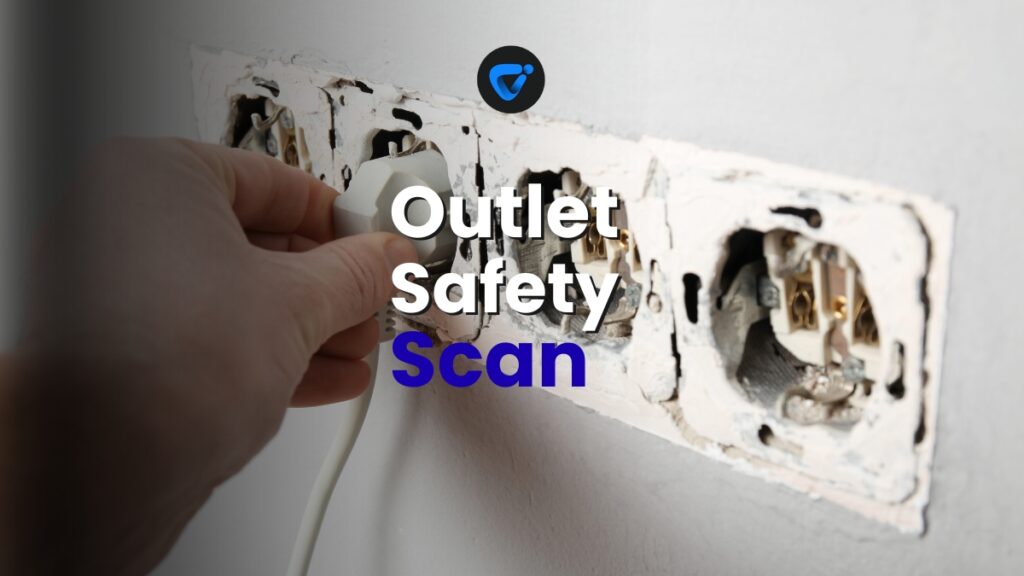

When you reach behind the couch to plug in a phone charger, you rarely think twice. Yet, outlet safety concerns can hide in plain sight around our homes.
Regularly scanning cords, plugs, and outlets helps prevent electrical risks that could affect your family’s security. Prioritizing a simple outlet safety scan routine can make home protection second nature.
Explore practical steps, checklists, and real-world tips throughout this article. You’ll finish ready to perform fast, effective outlet safety scans tailored to your household.
Spot Immediate Outlet Safety Issues with a Simple Visual Sweep
Seeing problems before they escalate keeps your home far safer. A daily visual sweep quickly highlights visible outlet safety threats you can address now.
Look carefully over each visible cord, plug, and outlet cover. Check for scorched marks, cracked plastic, exposed wires, or anything unusual during your daily routine.
Recognize Warning Signs Right Away
When inspecting, catch brown scorch marks on outlets or any melted plastic around plug prongs—these are immediate outlet safety signals that need attention today.
If a plug feels loose or wobbles, unplug it and use a different socket. Shaky connections increase the risk of sparking and heat buildup in wall outlets.
Notice flickering lights after you plug something in? Turn off the power and evaluate. An outlet safety issue can hide behind a simple flicker if left unchecked.
Prevent Common Cord Hazards
Avoid running cords under rugs—walking pressure can damage insulation. Swap out frayed or kinked cords immediately. Subtle wear is one of the most underappreciated outlet safety risks.
Don’t bunch cords together. Instead, use clips or cord wraps so each item stays separated, reducing overheating and tangling hazards from combined heat.
Reserve extension cords for temporary use only. Permanent setups should use fixed, outlet safety-compliant wiring, not endless daisy chains that could overheat the circuit.
| Check Item | What To Look For | Why It Matters | Immediate Action |
|---|---|---|---|
| Plug Prongs | Bent, discolored, burned | Signals dangerous heat or arching | Stop using—replace the plug |
| Outlet Faceplates | Cracks or chips | Exposed wiring risk | Install new plate |
| Wire Insulation | Frays or chew marks | Creates electrocution hazard | Replace the entire cord |
| Cord Placement | Under furniture/rugs | Kinking leads to inner wire failure | Move cord to open route |
| Loose Plugs | Wiggle easily in outlet | Poor connections may spark | Switch to a tight, intact outlet |
Establish a Consistent Outlet Safety Checklist For Every Room
Building a home-wide checklist turns outlet safety into quick, manageable action. With a checklist process, you stay organized and catch problems early every time.
Walk through each room, noting every power point, extension cord, surge protector, and multiplug. Recording observations makes it easy to spot recurring outlet safety issues over time.
Kitchen Scan Sequence
Kitchens tend to overload outlets with high-wattage appliances. Count how many devices are plugged into each strip or wall outlet during your check.
If you see more than two high-draw appliances (like a microwave and air fryer) sharing one outlet, redistribute loads for better outlet safety.
- Test each GFCI outlet monthly by pressing reset/test—this action confirms proper ground-fault protection in wet kitchen spaces, reducing shock risk daily.
- Unplug small appliances after use—this prevents excess standby heat at the outlet, especially overnight when no one notices an issue until morning.
- Check counter-level outlets for splash risk—move cords away from sinks, so water can’t reach plugged-in devices.
- Inspect under-cabinet outlet strips—look for any kitchen debris buildup, wipe them clean, and keep them dry so crumbs or spills don’t cause short circuits.
- If an outlet cover feels warm after use, note it and schedule an electrician. Heat is one outlet safety warning sign never to ignore.
Repeat this process every week for peace of mind.
Bedroom and Living Room Check
Bedrooms and living rooms hide a mix of chargers, lamps, fans, and entertainment gear. Take time to trace every plug back to its device and outlet for baseline safety review.
- Don’t allow chargers to dangle from partially-inserted outlets—insist on a flush, full connection for proper outlet safety.
- Behind furniture, check for crushed cords. Move items out every month so nothing wedges cables, risking damage you won’t see otherwise.
- Discontinue any outlet that smells like plastic or ozone—trust your nose, as burning scents hint at hidden safety problems you can’t actually see.
- If you love twinkle or string lights, use only UL-listed sets. This label matters for true outlet safety compared to untested import alternatives.
- Spot light or fan flicker when you plug in extra items? Try fewer devices, or record the outlet location to track possible overload symptoms next time.
Include every household member in scan day once a month, so everyone can recognize and help resolve outlet safety clues.
Respond to Unexpected Outlet Safety Concerns Promptly
Sometimes, outlet safety demands quick thinking and immediate action. Fast response can prevent minor problems from becoming serious hazards in your living space.
Don’t hesitate to unplug and isolate anything suspicious. Recognize when it’s no longer safe to wait—decisive steps protect your home and family from escalating issues.
When Devices Overheat or Spark
If a plug or device feels hot to the touch, disconnect right away. Wait for it to cool down, then inspect for visible deformation or scorch marks before any reuse.
Whenever you spot visible sparks, notify everyone to steer clear and switch off the relevant breaker. Outlet safety means never handling or investigating an outlet while energized.
Ask, “Has this plug always been stiff?” If it’s suddenly hard to insert or remove, discontinue use and have an electrician check for misalignment or hidden internal faults.
Routines for Immediate Isolation
Place a note over any unsafe outlet—write ‘DO NOT USE’ and tape it securely until professional repairs occur. This single step avoids future mix-ups.
Retrieve a portable outlet tester from your household toolkit. Testing outlets after a concern arises gives you instant feedback on grounding, polarity, and function.
Maintain a household log, noting the date and location of every outlet safety concern you find. Over time, you’ll spot patterns and know when it’s time to upgrade or rewire older sockets quickly.
Commit to a Quick Daily Outlet Safety Scan
Small routines make the greatest impact. With your freshly learned outlet safety checks, you can spot and address concerns before they threaten your comfort or peace of mind.
Every careful look, checklist step, and swift response adds up to proven risk reduction. Practicing outlet safety keeps your household protected and aware.
Staying consistent creates lasting protection. Let your quick outlet safety scan routine become as routine as locking the door each night. Your home and loved ones will thank you for it.

Post-Party Cleanup: Fast Track to Normalcy at Home
Party’s over? Get your home spotless fast! Follow our post-party cleanup guide to restore order and freshness in no time.