
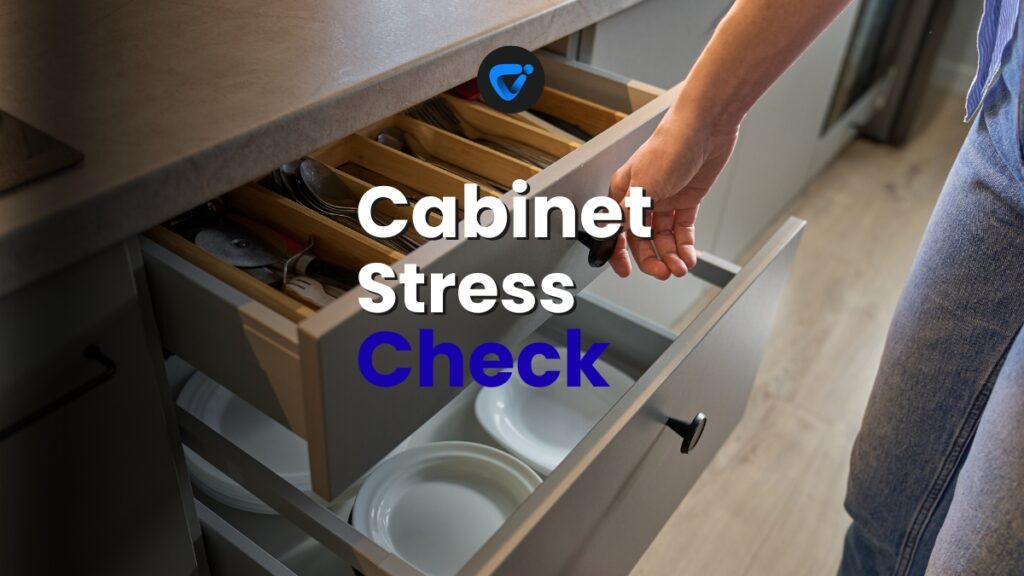

You’ve probably shut a drawer and heard the faint rattle—the little sign something’s off. That moment hints at a bigger story hiding inside your home’s cabinets.
Stress points in drawers and cabinets build up from daily use. They affect how doors close, drawers glide, and even the look of your kitchen or bathroom. Cabinet maintenance supports smoother living and avoids future repair bills.
Explore practical steps and easy routines that anyone can adopt today. Get ready to spot, prevent, and solve issues before they disrupt your daily flow.
Pinpointing the Top Five Cabinet and Drawer Stress Points
Spotting stress points early keeps your cabinet maintenance routine efficient and your home’s fixtures working perfectly. Quick checks catch tiny shifts before they grow.
Every home has certain cabinet spots that see more action. Some hinges creak first, or drawer corners show swelling. Targeting these zones saves time and repairs long term.
Identifying Noisy Hinges in Busy Areas
Hinges near high-use cabinets—like under the sink or spice drawers—often squeak after heavy use. You’ll notice the sound each time you open the door in a rush.
Quiet that squeak with a dab of silicone spray and a few test swings. If the noise persists, align the hinge plate with a screwdriver to relieve pressure stress instantly.
Keep hinge lubrication and basic alignment tools within reach. With cabinet maintenance, a simple minute or two keeps doors closing smoothly for months longer.
Drawer Rails and Daily Impact Spots
Drawer rails bear the impact of daily pulling and slamming—especially those in places used several times a day. Pay special attention after group cooking sessions.
Slide open each drawer and check for resistance. A stubborn drawer can mean bent rails or loose fasteners. Tighten or straighten these parts before they worsen.
If you notice uneven gaps or sticky closure, mark those spots. Consistent cabinet maintenance corrects tiny shifts and prevents future sticking or drooping drawers.
| Stress Point | What to Check | Common Sign | Next Action |
|---|---|---|---|
| Lower Hinge | Look for rust and stickiness | Door hangs uneven | Clean and lubricate |
| Drawer Rail | Examine for wobble or grinding | Drawer resists closing | Tighten screws |
| Back Corner | Inspect for swelling or chips | Visible crack or flake | Apply wood filler |
| Front Panel Joint | Look for gapping joints | Panel shifts when pulled | Re-glue and clamp |
| Middle Shelf | Press for flexing | Shelving sags under load | Reinforce with bracket |
Building a Weekly Cabinet Maintenance Scan That Works
A successful cabinet maintenance routine fits into busy weeks and delivers results you’ll notice right away. Try building it into a regular kitchen cleaning rhythm.
Begin by scanning each section for visible debris, easy-to-spot wear, or marks from dropped items. Cabinet maintenance routines that start simple stick for the long haul.
Simple Steps to Add to Your Existing Schedule
Open each drawer completely on cleaning day, then check corners for signs of dust or crumbs. Cleaning as you inspect boosts effectiveness without extra effort.
After the visible sweep, test for smooth rails and hinges. A gentle push and pull can reveal hidden friction or looseness—addressed with tightening or lubrication.
- Wipe cabinet interiors and corners to capture dust and prevent buildup, which can trigger friction and swelling over time. Always dry surfaces thoroughly for best results.
- Swipe soft cloths along exposed rails and check for leftover grit. Clean hardware works more efficiently and extends drawer and hinge life span.
- Gently twist handles or pulls to ensure their stability. Any wiggle needs tightening to keep cabinets both functional and safe for everyday use.
- Clean up spills under sinks or near pipes immediately to prevent wood or MDF swelling. Rapid response is key for cabinet maintenance in moisture-prone areas.
- Apply a thin layer of furniture-safe polish to exposed wood, which prevents small nicks and improves resistance for common touch zones.
Finishing each scan with these steps builds the strong foundation for reliable cabinet maintenance, week after week, with minimal fuss or extra time spent.
Spotting Early Warning for Repair Versus Replacement
If you spot repeated chipping, swelling, or deep cracks during your cabinet maintenance routine, evaluate if a repair kit can solve the problem. Sometimes, quick fixes only delay future issues.
Mark questionable areas with painter’s tape for tracking. Reviewing over time reveals if a stress point worsens or if a repair holds. This method guides repair versus replacement.
- Use removable tape rather than sticky notes to survive repeated opening and closing. You’ll see exactly where to check or show a professional if upgrading hardware.
- Present clear before-and-after photos if sharing with a repair service. This makes cabinet maintenance communication clearer, reducing mistakes and unnecessary costs.
- Replace only isolated components—like a singular hinge or slider—if the issue doesn’t affect the broader cabinet structure. This keeps long-term costs down while restoring function.
- For bubbling or lifted finish, sand gently and reseal the area. It’s a faster solution than replacing an entire door and bolsters your routine with quick wins.
- If repeated repairs fail, prioritize replacement for that stress point. Don’t delay—significant wear in one zone can impact the surrounding cabinet network.
Clear observation paired with direct action ensures your cabinet maintenance process is practical, not overwhelming, and allows for easy decision-making when problems do arise.
Applying Pro Techniques to Improve Durability and Smooth Motion
Many professional approaches for cabinet maintenance can be easily incorporated into home routines. These small steps boost both longevity and comfort during daily use.
Start by focusing on the points where fingers and hands naturally pull or push, such as handle bases and outer edges. These are first to show visible stress.
Adopting the ‘Align and Glide’ Approach in Problem Drawers
Reset a drawer’s glide by removing it completely, vacuuming out dust, and confirming that rails sit level—front to back and side to side. Precision counts here.
Check plastic end pieces and replace if cracked. Each small fix adds up to longevity, especially in high-traffic kitchens where kitchen cabinet maintenance pays off yearly.
If the drawer still resists smooth gliding, apply a specialty rail wax or graphite for extra lubrication. Only a small amount is needed to restore day-to-day functionality.
Securing and Reinforcing Handles with Targeted Tools
Loose handles draw more stress to joints and increase long-term wear. Hand-tighten with a driver, applying firm but gentle pressure to avoid stripping the threads.
If the screw continues to spin, swap in a slightly larger fastener or use a wood plug for a tighter fit. This prevents further joint stress without requiring major repairs.
Reinforcement is crucial in older installations. Finish by checking every drawer face for micro-wiggles—tighten anything showing movement during your next scheduled cabinet maintenance session.
Fine-Tuning Storage Habits to Minimize Stress Point Wear
Sensible storage practices dramatically reduce both immediate and long-term cabinet maintenance demands. Adjusting habits just a bit keeps hardware working smoothly and prevents avoidable damage.
Distribute weight consistently instead of placing heavy pans all on one shelf. This practice prevents bowing or joint splitting and helps cabinetry last through years of changes.
Segmenting Kitchen Tools for Structural Support
Storing similar-weight items together—like keeping all heavy pots on the bottom—ensures lower shelves support the most mass, not weaker upper ones. This also improves safer, intuitive access.
Install simple plastic or metal shelf organizers if you notice sagging. Spreading items makes locating everything easier and preserves core support structures during busy routines.
Store lightweight, high-use tools in upper drawers or cubbies. This avoids excess force on slides and allows for effortless, smooth opening even when the kitchen’s in use all day.
Rotating Storage Contents Seasonally
Transfer infrequently used items like holiday platters into side cabinets or deeper drawers during off seasons. Bring front-of-cabinet items forward for smoother routines.
Regular rotation keeps everyday areas accessible and reduces constant wear on outer hardware. You’ll notice fewer snags on hinges and rails throughout every cabinet maintenance cycle.
Write seasonal switch dates on a magnetic whiteboard or list. If something creaks or resists after shifting contents, address it at the first sign instead of waiting for loud warnings.
Building Habits That Anchor a Stress-Point Maintenance Mindset
Consistent observation builds instinctive cabinet maintenance habits. With time, quick visual checks and minor adjustments become second nature before bigger issues occur.
Think of these checks as flipping on a light switch—automatic and built into your daily rhythm. Anchor the process to an existing routine, like after-dinner dish loading.
Training Your Eye for Micro-Damage
Scan corners for hairline cracks or dust clusters while reaching for a pot. If you spot something amiss, address it right away—never ignore minor damage during cabinet maintenance.
Touch up nicks with a matching wood pen stored in your utensil drawer. Immediate response prevents swelling or splintering, saving time and cost later on.
Stay aware of how drawers respond as family members use them. A slight catch or shudder signals the need for new lubrication or a fresh tracking check.
Using Checklists for Accountability
Print a quick checklist or use an app. Include common stress points for each cabinet and assign regular review days to stay on track, making cabinet maintenance routine and non-negotiable.
Mark tasks as you complete them and preview previous problem spots each week. This habit builds confidence and makes it simple to catch recurring trouble early.
Share responsibility with another household member, trading off weekly scans or using friendly reminders. Two sets of eyes mean nothing gets missed or overlooked for long.
Conclusion: Sustainable Cabinet and Drawer Wellness
Cabinet maintenance, approached as a regular routine, prevents the headaches of sticky drawers and sagging doors. A few minutes each week brings noticeable, lasting improvements throughout your home.
Proactive habits ensure your cabinetry remains safe, attractive, and ready for daily use. Use these real routines to enjoy smooth gliding, strong support, and a more relaxing home space every day.
By integrating practical cabinet maintenance strategies, you invest in your surroundings. Small, habitual actions today build a future of resilient, worry-free storage tomorrow—one well-tended drawer at a time.

Post-Party Cleanup: Fast Track to Normalcy at Home
Party’s over? Get your home spotless fast! Follow our post-party cleanup guide to restore order and freshness in no time.